Bengaluru Traffic Commissioner Prioritizes Management Over Enforcement
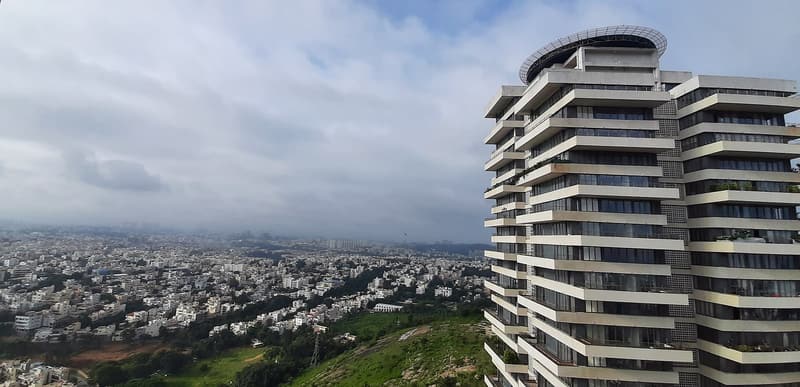
Representative photo · Photo: Kushagra140 / Wikimedia Commons, CC BY-SA 4.0
New Bengaluru Traffic Commissioner Hemant M. Nimbalkar plans to reduce congestion by deploying senior officers on the ground and integrating data-driven technology.
The newly appointed Commissioner of Police (Traffic) for Bengaluru, Hemant M. Nimbalkar, has outlined a fresh strategy to address the city's notorious traffic congestion. By shifting the departmental focus from mere enforcement to active road management, the administration aims to tackle the gridlocks that frequently plague the city. As residents often search for updates on traffic Bengaluru to navigate their daily commutes, the department is moving toward a more hands-on approach.
Managing traffic Bengaluru with a new approach
Central to this strategy is the physical presence of leadership on the road. Nimbalkar emphasized that senior officials, including Deputy Commissioners of Police, will now be required to monitor junctions during peak hours. This system will follow a structured roster similar to the beat system used by law and order police, ensuring that officers are actively managing flow rather than simply issuing fines. The Commissioner stated that officers should prioritize traffic movement, noting that the practice of stopping vehicles arbitrarily will be discontinued. Enforcement will remain focused on safety-critical violations, such as riding without helmets or driving on the wrong side of the road.
Bengaluru's new traffic strategy prioritizes active road management and data-driven planning over punitive enforcement.
Addressing concerns regarding the administrative structure, Nimbalkar clarified that the decentralization of traffic management into five commissionerates allows for pragmatic local solutions. This local oversight will be complemented by city-level leadership, utilizing the Traffic Management Centre and advanced technology. By combining artificial intelligence, big data analytics, and human intelligence, the department intends to gain a holistic understanding of why bottlenecks occur at specific stretches of 300 to 500 metres.
Regarding the movement of heavy vehicles, the Commissioner noted that a total ban is not feasible. Instead, the department is exploring a filtering mechanism to distinguish between essential commodity transport and other goods, potentially introducing time-based entry and exit plans. Furthermore, the department aims to improve coordination with civic agencies to ensure that necessary infrastructure works cause minimal disruption to traffic flow. As a member of the Greater Bengaluru Authority, the Traffic Commissioner expects improved synergy in planning future road projects.
Why it matters
The restructuring marks a significant shift in how the city handles its infrastructure and transit challenges. By integrating city-level planning with ground-level implementation, the initiative aims to provide more reliable transit for commuters.
This policy change directly impacts daily travelers in Bengaluru by reducing unnecessary police stops and focusing on systemic congestion relief. It represents a broader effort to balance urban development with the practical needs of a growing metropolitan population.
Sources
More like this

Theresa May Brexit comments highlight Conservative party shifts
Canada PM and Trump Impersonator Appear Together at Press Dinner
Why Bangladesh is important for India amid unrest over Hasina