Bitcoin Devs Merge Three New BIPs That Could Lower Transaction Fees
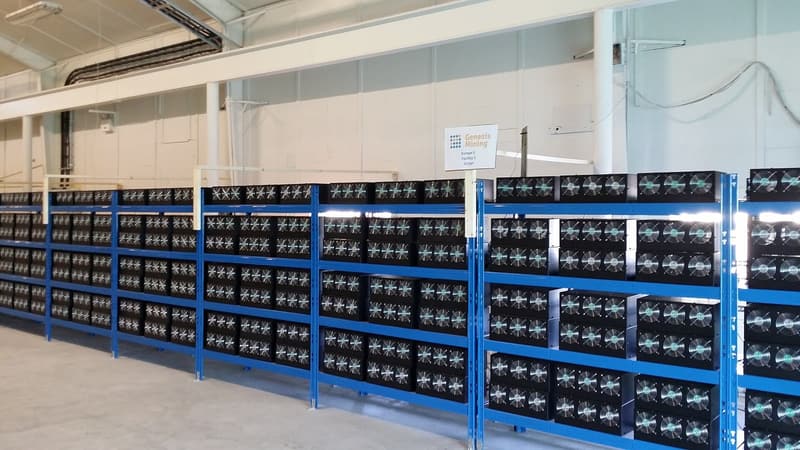
Representative photo · Photo: Project Kei / Wikimedia Commons, CC BY-SA 4.0
Three draft specifications added to Bitcoin's proposal repository could significantly reduce transaction fees for specific payment groupings.
This is news, not investment advice. NexVani Media is not a SEBI-registered investment adviser and does not recommend buying or selling any security. Do your own research or consult a registered adviser before investing.
Developers working on the Bitcoin network have integrated three new draft specifications into the official proposal repository during the first week of November. These additions focus on combining transaction inputs and signatures to reduce the overall data footprint of specific blockchain transfers. Specifically, BIP458 was merged on November 2, followed by BIP459 on November 3, and BIP460 on November 4. These updates utilize signature aggregation techniques to minimize the space required for transactions involving multiple inputs or joint payments.
Under Bitcoin weight rules, transaction size is measured in virtual bytes, determined by dividing the total weight by four. The newly introduced aggregation methods work by combining independently produced signatures or through a coordinated signing session. For example, combining ten signatures can drastically shrink the payload data before accounting for encoding overhead. Hypothetical models demonstrate that a joint payment involving ten inputs and ten outputs could see its virtual size decrease, yielding fee reductions of roughly 7% for half-aggregation and over 14% for full aggregation. Input consolidation operations benefit even further, with potential fee drops exceeding 27% for large groups of inputs combined into a single output.
Signature aggregation proposals for Bitcoin could significantly reduce transaction fees for combined payments and input consolidations.
Despite the potential efficiency gains, several hurdles remain before these mechanisms can be deployed on the main network. BIP460 currently leaves activation parameters open, and its proposed witness version requires coordination with other network upgrades. Furthermore, existing Taproot outputs will not automatically benefit from these changes, meaning wallet providers must update their software to support the new output types. Direct signature spends can utilize the feature, whereas script-path spends cannot join aggregation groups, and eligible inputs retain the option to opt out. Additionally, implementing full aggregation requires a stateful two-round signing protocol, introducing complexity for hardware and air-gapped device support.
Why it matters These merged Bitcoin improvement proposals introduce technical pathways that could lower transaction costs for complex network operations like batch payments and wallet consolidations. While activation timelines and wallet compatibility remain unresolved, the underlying mechanism offers a tangible blueprint for optimizing block space and reducing user fees across the network.
Sources
More like this

Global Banks Secure $270 Million for Project Faro Stablecoin Initiative

Washington State Sees Growth in Businesses Accepting Bitcoin Payments

HIVE Digital Eyes $45 Million in Annual Revenue From Sweden AI Center