
Global Banks Secure $270 Million for Project Faro Stablecoin Initiative
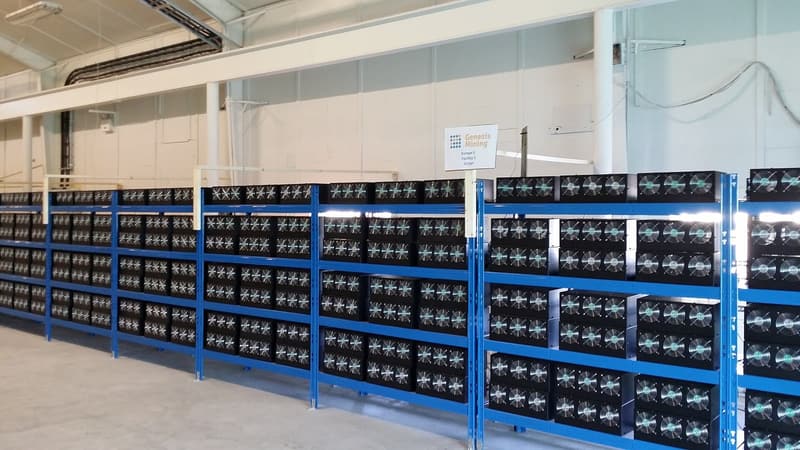
Representative photo · Photo: Kidfly182 / Wikimedia Commons, CC BY 4.0
A consortium of 21 financial institutions has raised $270 million to launch a US dollar-pegged stablecoin by early 2027.
This is news, not investment advice. NexVani Media is not a SEBI-registered investment adviser and does not recommend buying or selling any security. Do your own research or consult a registered adviser before investing.
A consortium of 21 major financial institutions has secured approximately $270 million in funding to launch a new stablecoin initiative known as Project Faro. This development marks a significant move by traditional finance entities as they navigate the global market to establish a presence in the digital currency sector. The funding is intended to support the first five years of operations for the venture, which is expected to be incorporated in the United States. While the project was first announced in September, specific operational details remain limited.
Project Faro has raised $270 million to launch a US dollar-pegged stablecoin by early 2027.
Advancing the Global Market
The initiative aims to issue stablecoins pegged to the currencies of all G7 nations, with a dollar-backed coin slated for release in the first half of 2027, followed by a euro-backed version. The group backing this venture includes prominent names such as Goldman Sachs, Citigroup, BBVA, Banco Santander, and Deutsche Bank. By leveraging their existing customer bases, payment networks, and established relationships with businesses, these banks hope to gain a competitive edge over current crypto-native issuers.
Currently, the stablecoin landscape is dominated by Tether’s USDT and Circle’s USDC, which together account for roughly 85% of the $290 billion market as of November 10. USDT holds a market capitalization of approximately $176.3 billion, while USDC stands at about $70.4 billion. Faro’s strategy relies on integrating its digital offering into the existing infrastructure of traditional banking, potentially reaching retail users more effectively than standalone crypto platforms.
Navigating Multiple Initiatives
Financial institutions are not limiting themselves to a single project. Many banks involved in Faro are simultaneously participating in other digital currency efforts. For instance, BBVA and other members are involved in the Stripe-led Open USD project and the European-based Qivalis consortium. Qivalis, which recently received authorization from the Dutch central bank as an electronic money institution, is focused on launching a regulated, euro-denominated stablecoin for cross-border settlements and tokenized asset transactions. This multi-pronged approach allows banks to explore various technical and regulatory pathways while maintaining a stake in future payment systems.
Why it matters
Project Faro represents a strategic attempt by traditional banks to reclaim influence in the digital payment space by utilizing their existing infrastructure. For global financial systems, this shift could lead to more regulated and integrated onchain payment networks.
For stakeholders and observers tracking the global market, this development signals that traditional banking giants are aggressively positioning themselves to compete with established crypto-native stablecoin providers. The success of these initiatives could fundamentally change how cross-border settlements and digital asset transactions are conducted globally.
Sources
More like this

Washington State Sees Growth in Businesses Accepting Bitcoin Payments

HIVE Digital Eyes $45 Million in Annual Revenue From Sweden AI Center
MARA Sells Bitcoin to Clear USD 750M in Debt and Mitigate Risks