BLA Ousts Commander Bashir Zeb Amid Strategy Rifts and Controversies
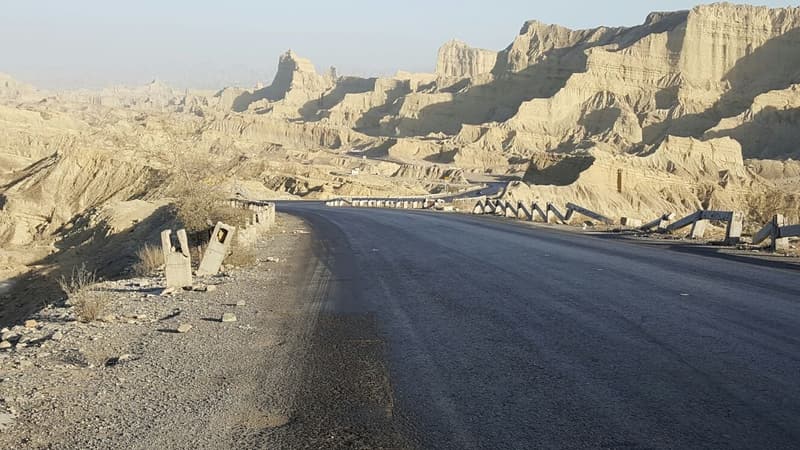
Representative photo · Photo: M.bilalkhan7007 / Wikimedia Commons, CC BY-SA 4.0
The Baloch Liberation Army has removed its commander-in-chief, Bashir Zeb, transferring powers to its Senior Command Council following internal strategy debates.
The Baloch Liberation Army has announced that Bashir Zeb will no longer serve as its Commander-in-Chief. Zeb, who rose through student politics to lead the armed separatist outfit, was known for orchestrating prominent attacks across Pakistan targeting military installations, security forces, and Chinese interests. His removal was officially communicated through a press release on November 3, stating that all administrative, military, and policymaking powers have been transferred to the group's Senior Command Council.
The decision followed a joint meeting of the BLA's highest bodies on October 16. According to the BLA, the leadership transition adheres to constitutional principles adopted during its 2018 restructuring to prevent lifelong leadership. The group described the move as a peaceful transfer of power occurring without internal fragmentation.
BLA transfers commander powers to its council after internal disputes over military strategy.
Despite the official explanation citing constitutional norms, reports indicate that internal disagreements over military strategy may have contributed to Zeb's removal. According to the Pakistan Institute for Conflict and Security Studies, dissent arose regarding the handling of Operation Herof 2, a coordinated offensive launched in January 2026. Sources suggested that Captain Rahman Gul of the Majeed Brigade criticized large-scale deployments that exposed fighters to Pakistani security operations, favoring smaller mobile units instead.
Zeb's reliance on suicide attacks, including female bombers, also drew criticism from analysts and officials who noted the impact on the movement's external support. Additionally, unverified social media rumours circulated claiming Zeb was poisoned in Kandahar and airlifted to India, though independent confirmation is lacking.
Why it matters
The leadership shift in a major armed separatist group alters the operational dynamics in Pakistan's Balochistan province. Observers and regional analysts are closely watching how the transition and debates over guerrilla tactics will influence the group's future activities and security responses.
Sources
More like this
Friday briefing: Are disruptions and threats becoming our new normal?
Macau Jails Pro-Democracy Campaigner Au Kam San in Landmark Security Case
British Families Demand Answers After Spain Wildfires