Early Polar Vortex Disruption Sparks Uncertainty Over UK Weather
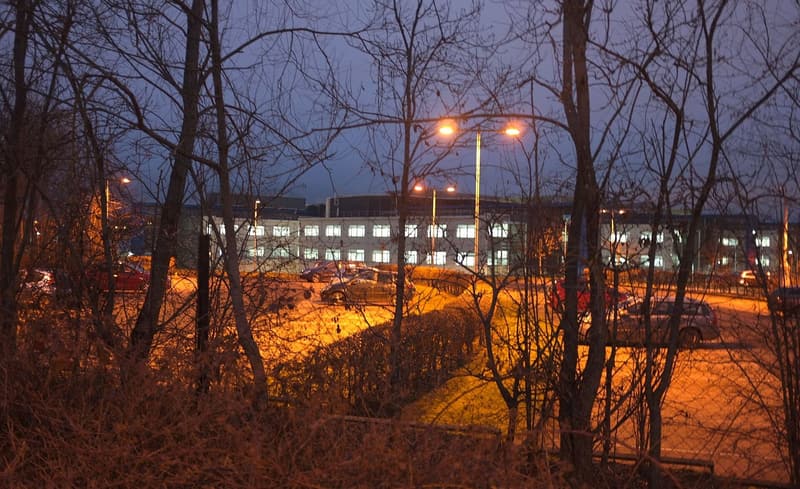
Representative photo · Photo: Derek Harper / Wikimedia Commons, CC BY-SA 2.0
An unprecedented early weakening of the polar vortex leaves forecasters uncertain about potential winter impacts on the UK.
Winter weather predictions for the United Kingdom have been thrown into confusion following an extraordinary atmospheric development high above the Arctic. Typically, powerful westerly winds form in the stratosphere during the autumn months, creating a circulation known as the polar vortex that locks the coldest air near the North Pole. However, meteorological observations show that this circulation has experienced the earliest disruption on record, shifting position and stretching significantly.
Atmospheric disturbances can trigger sudden stratospheric warming, where high-altitude air warms up and causes the surrounding vortex winds to decelerate. In extreme cases, these westerlies can reverse direction entirely, altering the jet stream and potentially opening the door for blocking weather patterns characterized by colder northerly or easterly winds. While similar events usually transpire from mid-winter onward, experts note that witnessing such dramatic weakening in November represents uncharted territory for modern meteorology.
Jeff Knight from the Met Office stated that the event appears to be the earliest recorded in 75 years of observation. While historical precedents are sparse, scientists are examining whether the active El Niño pattern might have contributed to the disturbance by sending planetary waves into polar regions. Researchers emphasize that the connection remains unclear and requires further study.
The polar vortex has experienced its earliest recorded weakening, creating uncertainty for winter weather forecasts.
Understanding the Earliest Shift in Atmospheric Circulation
The absence of comparable historical data makes it difficult for forecasters to anticipate whether a severe cold spell will materialize. Professor Andrew Perez-Charlton from the University of Reading noted that while standard responses to stratospheric warming often involve colder and drier conditions across Europe and the UK, the timing of this event complicates traditional forecasting models.
Why it matters
This unprecedented atmospheric shift introduces significant unpredictability into seasonal outlooks across Europe and the UK. While long-range models initially pointed toward a stormy start followed by a colder conclusion to winter, experts remain cautious as they analyze an event that has no direct historical parallel.
Sources
More like this
Delhi's Weather and Toxic Air Spark Concerns as Winter Pollution Returns
Why wealthy countries are failing to fund climate adaptation for developing nations

Heavy rain triggers severe flash flooding along the Georgia-Tennessee border