Modi Emphasises Farmer Empowerment and Agricultural Modernisation
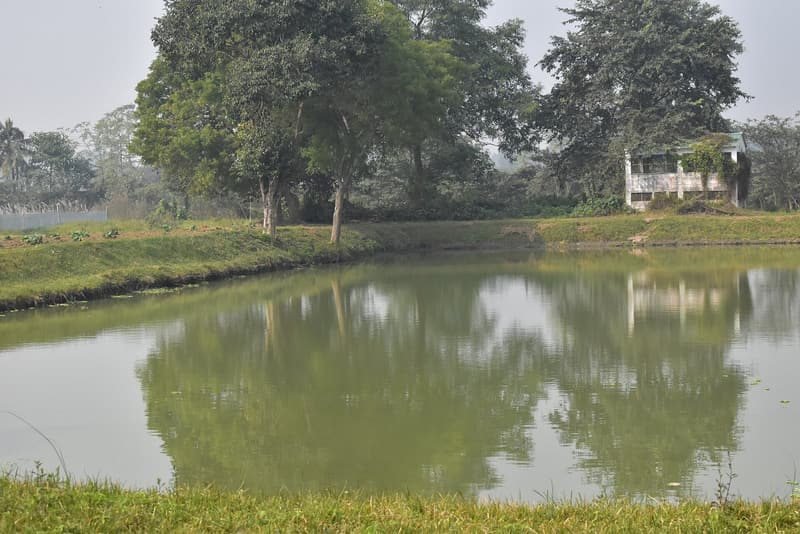
Representative photo · Photo: Pinakpani / Wikimedia Commons, CC BY-SA 4.0
Prime Minister Narendra Modi outlined agricultural reforms at a recent conference, stressing that a developed India depends on modernised farming and empowered rural producers.
Prime Minister Narendra Modi recently addressed agricultural reforms and rural development, asserting that achieving a developed nation requires strengthening the farming community. Speaking about economic progress, he referenced a World Bank study showing a clear drop in rural poverty levels over the past 12 to 13 years. Furthermore, he pointed out that the agriculture sector has achieved a growth rate surpassing 4% for the first time since Independence.
During his address, the prime minister encouraged agricultural producers to adopt chemical-free natural farming methods. He distinguished this approach from standard organic farming and highlighted the utility of animal dung as a natural fertiliser. To broaden economic prospects in rural sectors, he also advised diversifying crop cultivation beyond traditional staples like wheat, rice, and sugarcane, noting that total agricultural exports have climbed past four lakh crore rupees annually.
Agricultural Reforms and Global Pressures
At the India Today conference, Modi directed criticisms toward the opposition. Meanwhile, broader international developments have also influenced economic conditions. Global crude oil prices have experienced significant swings driven by ongoing crises in West Asia and Eastern Europe, directly impacting market and pricing dynamics within India.
Despite a sharp surge in international crude prices, domestic authorities limited the upward price adjustments for petrol and diesel. Additionally, the government allocated subsidies for fertilisers to cushion both farmers and consumers from sudden financial shocks.
Empowered farmers and modernised agriculture are essential for building a developed India.
Why it matters
These agricultural policies and economic measures directly affect rural communities, consumers, and market participants across India. By promoting diversification and chemical-free practices while buffering fuel and fertiliser prices against international crude shocks, the government aims to stabilise domestic markets and support long-term rural growth.
Sources
More like this
Chuck Schumer Faces Leadership Challenge From Senator Chris Van Hollen

Europe Seeks Seat at Ukraine Peace Talks Amid Division
UK-EU SPS agreement to cut horticulture trade costs by £60m annually