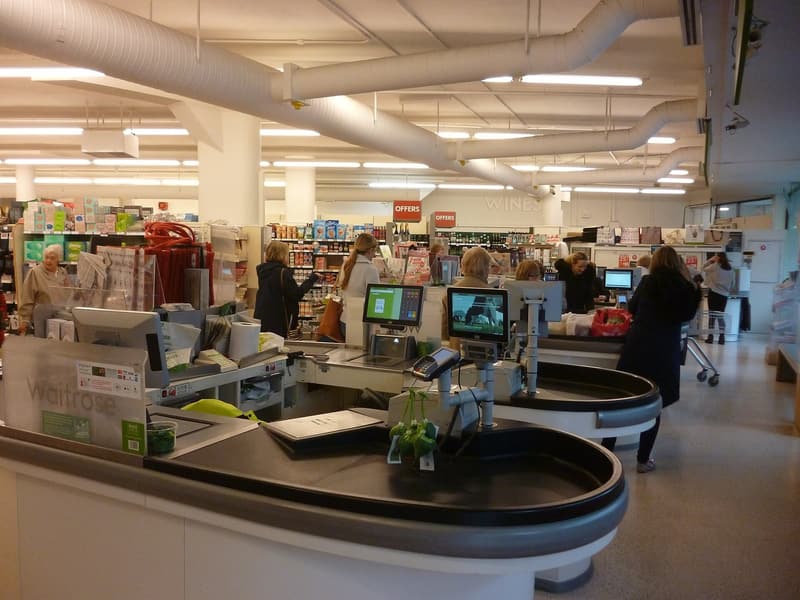
UK Consumers Increase Essential Goods Purchases Following Government Preparedness Advice
Representative photo · Photo: Dr Neil Clifton / Wikimedia Commons, CC BY-SA 2.0
British shoppers are buying more emergency supplies after a government campaign, but analysts confirm there is no evidence of panic buying.
Recent shopping data indicates that Britons have responded to the government’s new 'Be Ready' campaign by purchasing more essential items. The initiative encourages households to prepare for potential disruptions to services, such as extreme weather or cyber-attacks, by maintaining a three-day supply of basic necessities. Retail analysts suggest that while there has been a noticeable increase in the acquisition of specific goods, the trend does not constitute panic buying.
Data from Worldpanel by Numerator reveals that in the 10 days following the campaign's launch, sales of hand sanitiser rose by 83% compared to the same period last year. Bottled water sales increased by 67%, and tinned or jarred goods saw a 37% rise. While the number of shoppers purchasing tinned meat increased significantly, the average pack size remained consistent, suggesting that households are adding recommended items to their regular shopping lists rather than stockpiling excessive quantities.
British shoppers are purchasing more emergency supplies, but retail data confirms there is no panic buying.
Understanding the habits of Britons
Research from Barclays highlights a generational divide in preparedness, with 53% of those aged 55 and older reporting they have enough supplies for three days, compared to only 31% of those aged 18 to 34. Beyond food and water, consumers are also purchasing batteries, torches, toiletries, and medicines. This shift in shopping habits occurs as grocery inflation rose to 2.6% in the four weeks leading up to November 1.
Retailers are currently entering the 'golden quarter,' a critical period that includes Black Friday, Cyber Monday, and the Christmas season. Fraser McKevitt of Worldpanel by Numerator noted that while households are cautious about their budgets due to energy price increases, retailers are hoping for a strong performance during these promotional events. Market performance remains mixed, with Ocado and Marks & Spencer seeing growth, while Lidl has surpassed Morrisons to become the fifth-largest grocer in the country.
Why it matters
The 'Be Ready' campaign has successfully encouraged households to proactively manage their emergency supplies without triggering market instability. This shift reflects a cautious approach to consumer spending as families balance rising energy costs with necessary household preparation. For readers in India and South Asia, this trend highlights how government-led preparedness initiatives can influence consumer behavior and retail market dynamics during periods of economic sensitivity.
Sources
More like this
The rise of the nostalgia economy: Why adults are buying toys

Bank of England Deputy Warns of Low-Gear Economy Impacting Young Job Seekers
EU Manufacturers May Stop Competing With China by 2030, Warns Official