Understanding the Powers of Israel's Caretaker Prime Minister
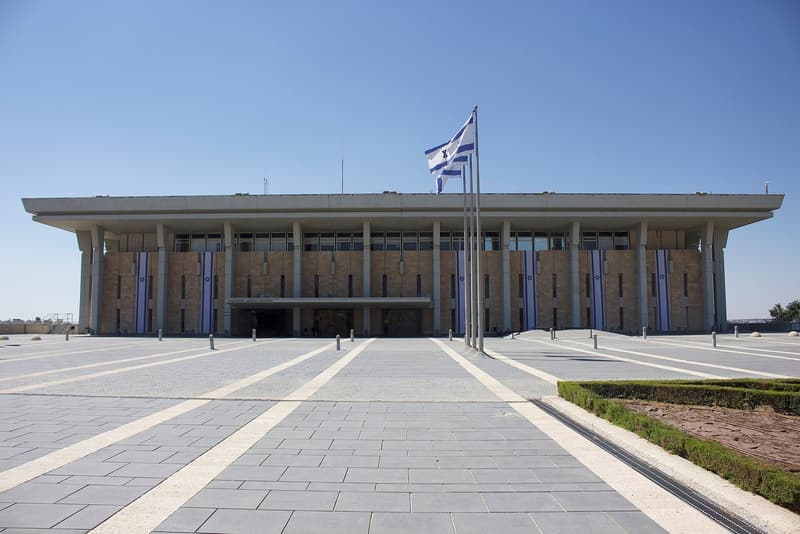
Representative photo · Photo: Clema12 / Wikimedia Commons, CC BY-SA 4.0
As Israel navigates political uncertainty, Benjamin Netanyahu remains in power as a caretaker, retaining authority over security and state affairs while his opponents struggle to form a government.
Following national elections, the formation of a new Israeli government remains uncertain. While opposition leader Gadi Eisenkot has been tasked by President Isaac Herzog with building a coalition, neither he nor incumbent Benjamin Netanyahu has secured the necessary 61 seats in the Knesset. As citizens wonder what Netanyahu did to maintain his position, the country finds itself in a constitutional paradox where the current administration lacks a popular mandate but continues to govern.
Under Israel’s Basic Laws, specifically Article 30, an outgoing government remains in power until a successor is sworn in. This principle of continuity allows Netanyahu to manage state, security, and foreign affairs. However, according to analyst Ehab Jabareen, these powers are subject to a duty of restraint, as the incumbent now lacks traditional political legitimacy.
What Netanyahu can and cannot do
Netanyahu’s caretaker status grants him significant control over the military and intelligence sectors. He retains authority over the Shin Bet and can make security appointments. While he cannot unilaterally declare a new war, Article 40 of the Basic Law permits his cabinet to authorize such actions. Analysts suggest that he may strategically leverage existing regional tensions, such as those involving Iran or Lebanon, to influence the political landscape. Furthermore, because his rivals are excluded from the current security cabinet, Netanyahu maintains significant control over how intelligence is framed and presented to ministers.
As a caretaker, Netanyahu retains control over state security and intelligence while the government remains in limbo.
Domestically, his powers are more constrained. While he can make financial decisions that might burden a future administration with debt, he cannot pass new legislation to shield himself from his ongoing corruption trial. Experts like Maysara Bahr suggest that Netanyahu is actively using his position to fracture the opposition, including attempts to alienate potential Arab partners from Eisenkot’s alliance. There are also concerns that he may encourage domestic unrest to prolong his tenure.
Why it matters
The current political gridlock means that Israel is effectively governed by an administration that lacks a clear mandate from the electorate. This situation creates deep instability, as the caretaker government retains the ability to make high-stakes security decisions that could have long-term regional consequences. For international observers, including those in India and South Asia, the lack of a permanent government complicates diplomatic engagement and regional security policy.
Sources
More like this
Kemi Badenoch Unveils £36bn Welfare Cut Plan

Sonia Gandhi's Memoir Reveals Political Shifts and Personal Grenades
Florida Democrats Face New Hurdles As Red Wall Shows Cracks