Burnham gambles on EU ties in push for economic growth
Representative photo · Photo: Ank Kumar / Wikimedia Commons, CC BY-SA 4.0
UK Prime Minister Andy Burnham is pushing for closer ties with the European Union, gambling that voters are ready to move past the divisions of 2016.
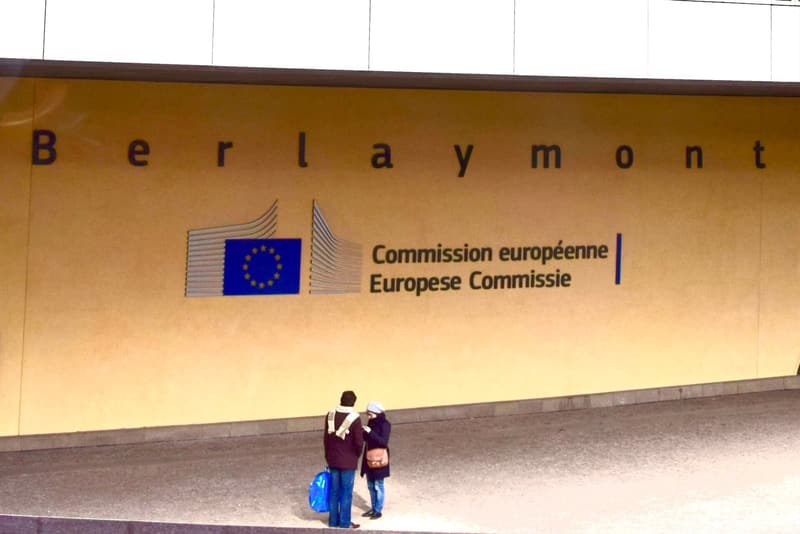
British Prime Minister Andy Burnham has launched a political gamble for closer relations with the European Union, challenging political opponents to reject a plan he argues could significantly boost the economy. Speaking at a press conference in Brussels, Burnham pointed out that the political landscape has shifted dramatically since the 2016 referendum. During the event, which left the prime minister somewhat misty-eyed when discussing a youth exchange scheme, he promoted a new deal covering food checks, emissions trading, and mobility options designed to lower costs and stimulate growth.
Flanked by European Commission President Ursula von der Leyen and European Council President António Costa, Burnham argued that the package could add 0.5% in annual economic growth and offer hope to a generation impacted by past disruptions. He directly challenged critics, including Reform UK leader Nigel Farage, to explain why anyone would turn away from such benefits. While Conservative opponents issued statements criticizing the move as a reopening of past divisions, No 10 officials noted that the broader Brexit forces of 2016 have largely quieted.
Demographic shifts appear to support the prime minister's strategy. A recent constituency-level poll indicated that a majority of areas that previously voted to leave the EU would now support rejoining, including Burnham's own seat of Makerfield. Despite the ambitious scope of the discussions, officials adopted a cautious approach regarding any future talk of formally rejoining the bloc, with UK representatives indicating that further progress could take months to develop.
Burnham challenges political rivals to reject an EU deal projected to boost annual growth by 0.5%.
A bill enacting the new agreement into UK law is scheduled to be presented to parliament next week, requiring strong backing from Labour MPs to ensure its passage. While cabinet ministers and key allies gathered in Brussels to observe the summit, the administration remains focused on steering the specific measures through the legislative process without overextending into broader integration debates.
Why it matters The push for closer UK-EU relations marks a notable shift in British foreign and domestic policy under the current administration. By seeking to implement food checks, emissions trading, and youth mobility schemes, the government aims to lower consumer costs and stimulate long-term economic growth. This legislative effort requires navigating political opposition and securing party unity in parliament, setting the stage for significant policy changes in the coming months.
Sources
More like this

Princeton Doctoral Student Detained by ICE After Conference
Voters in Four Out of Five UK Parliamentary Seats Now Back Rejoining the EU
Burnham seals trade and youth mobility deals in biggest step since Brexit