Census 2027 in Chandigarh to collect data on 40 points
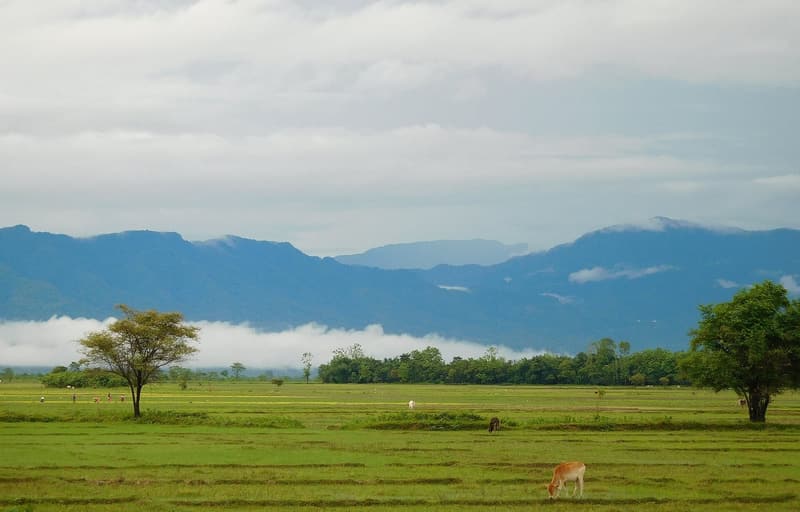
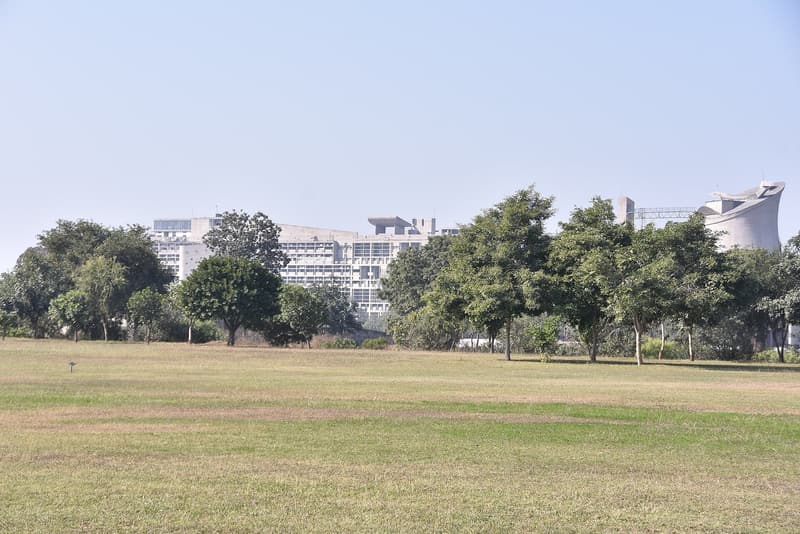
Representative photo · Photo: shankar s. from Poona (pune), India, Ind / Wikimedia Commons, CC BY 2.0
Chandigarh residents will face 40 questions during the upcoming population enumeration phase of Census 2027, covering identity, work, and migration.
As preparations for the upcoming census 2027 get underway, local residents in the Union Territory will soon have to provide extensive details across a comprehensive questionnaire. The upcoming population enumeration, which marks the second phase of the exercise, is scheduled to commence in January and will require households to answer forty distinct questions regarding various social and personal aspects.
According to Nishant Kumar Yadav, Deputy Commissioner and Principal Census Officer for the region, families will be given the option to complete the forms online starting on January 10. Door-to-door visits by assigned enumerators are set to follow later in the month beginning January 25. Officials have highlighted that the digital self-enumeration option aims to streamline the process, save time for residents, and ensure that the official headcounts are completed strictly on schedule.
Scope of the Census Questionnaire
The detailed data collection covers a broad spectrum of demographic and socio-economic indicators. Basic details recorded for every individual include full names, relationship to the head of the family, sex, date of birth, marital status, nationality, religion, spoken languages, and literacy levels, including digital literacy. The questionnaire also records disabilities regardless of age, while fertility-related inquiries are directed exclusively toward ever-married or currently married women.
Additional questions range from specific caste categories—with options for Scheduled Castes, Scheduled Tribes, declared castes, or a formal choice to opt out—to parental background information including birth details and religion. For working individuals, the survey captures commuting specifics such as distance, travel time, and preferred mode of transport. The final section of questions touches upon COVID-19 vaccination locations, bank account counts, mobile numbers, Aadhaar details, voter identity cards, driving licences, and Indian passport holdings.
Self-enumeration allows families to complete forms online from January 10 ahead of enumerators starting visits.
Administrative Deployment and Special Areas
Administrative preparations involve dividing blocks exceeding eight hundred residents to reach a total of 2,274 blocks across ten distinct charges. Authorities require thousands of enumerators and supervisors, drawing largely from local teaching and government staff who may receive a partial workday relaxation. Mobile applications will be utilized by staff on their personal devices, while supervisors are mandated to independently verify a notable percentage of the collected records.
Specialized arrangements have been made for defense and paramilitary zones, where information will be compiled via paper records rather than digital mapping due to security considerations. Meanwhile, dedicated teams are slated to enumerate homeless populations residing in public spaces like railway platforms and under flyovers, with administrative plans required to reach central directorates by early February.
Why it matters
This extensive data collection exercise directly impacts local residents by establishing updated demographic benchmarks that shape public policy, resource allocation, and administrative planning across the region. For citizens in India, participating accurately in the national enumeration ensures proper representation and helps authorities better target welfare initiatives and infrastructural development in the coming years.
Sources
More like this

French Judo Olympic Champion Teddy Riner Enters Presidential Race
UK to Consider Age of Consent Review Following Russell Brand Allegations

Netanyahu Pushes for Unity Government as Rival Eisenkot Dismisses Appeal