Wall Street and the Challenge of Funding Weekend Trading
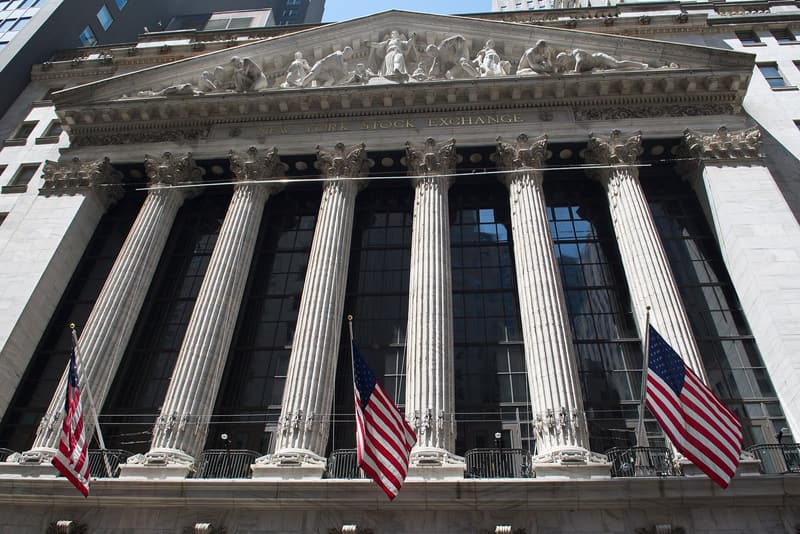
Representative photo · Photo: 颐园居 / Wikimedia Commons, CC BY-SA 4.0
As Wall Street moves toward round-the-clock trading, firms face complex decisions about who supplies cash when main wholesale payment systems are closed.
This is news, not investment advice. NexVani Media is not a SEBI-registered investment adviser and does not recommend buying or selling any security. Do your own research or consult a registered adviser before investing.
Wall Street is shifting toward round-the-clock trading, including crypto derivatives, but this evolution brings critical questions about who bankrolls the weekend. When investors want to adjust a position on Saturday, round-the-clock trading saves them from waiting until Monday. However, the companies behind these trades must manage what they owe until settlement and decide how much business they can handle before replenishing cash or collateral.
In May, CME opened its crypto derivatives markets on weekends while keeping settlement on a business-day schedule. Some stablecoin providers give customers faster access to cash by putting money at partner banks in advance. Both arrangements give investors more hours to act, but they also mean different companies are now responsible for ensuring money is available when needed. CME's 24/7 schedule covers cryptocurrency futures and options, except spot-quoted futures, with at least two hours of weekly maintenance. Trades made from Friday evening through Sunday evening are booked for the next business day for clearing and settlement.
Weekend trading requires firms to carefully manage risk and cash availability before standard settlements.
Managing Risk and Cash Flow
We saw an example of what happens when the wait gets longer in June, when two major DTCC subsidiaries postponed a day's securities settlement. This left cash in the central counterparty's account at the Fed and reduced reserves available to banks. According to a June 30 incident notice, a participant submitted erroneous trades the previous day, creating an unusually large payment obligation. DTC and NSCC invoked market-disruption rules and secured extensions from the Federal Reserve before carrying balances into June 30. The Chicago Fed noted that short-term rates held steady because companies trusted payments would go through and the banking system had enough reserves.
To prevent customers from adding positions with money they are still waiting to receive, exchanges and clearing houses use specific rules. Nodal outlined options in a May 2025 filing for selected Coinbase derivatives, requiring members to keep additional weekend trading below half a customer's excess margin, or letting customers use all excess margin minus position losses. Members supporting weekend contracts also pay a surcharge into the guaranty fund.
Why it matters
The expansion of trading hours requires financial institutions and clearing houses to prepare for operational delays when traditional sources of cash and support are harder to reach. While it gives market participants more flexibility to manage positions, it shifts the responsibility of funding and risk management across different entities during periods when main wholesale payment systems remain closed.
Sources
More like this

Bitcoin Price Drops 14% to $65,000 Amid Weekend Selloff

OpenAI Launches ChatGPT Wallet for Autonomous Shopping Without Crypto

Microsoft Researchers Demonstrate AI Sleeper Agent Technique Called Lazarus