
China AI Pipeline Relies on Nvidia Despite Restrictions
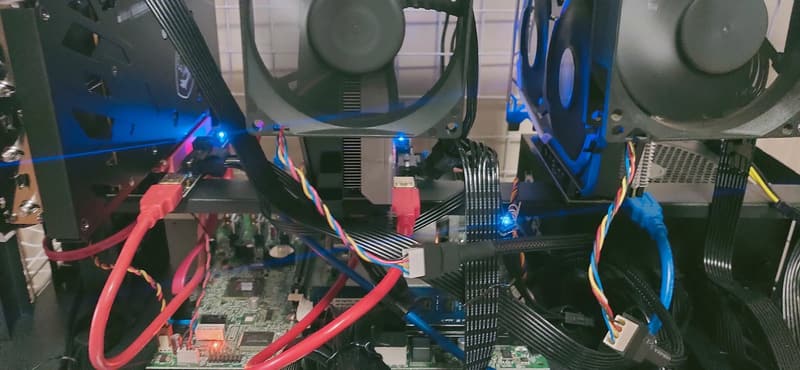
Representative photo · Photo: Chris from Shenzhen, China / Wikimedia Commons, CC BY-SA 2.0
A recent investigation reveals billions of dollars in planned Chinese data centers still rely on restricted Nvidia chips.
This is news, not investment advice. NexVani Media is not a SEBI-registered investment adviser and does not recommend buying or selling any security. Do your own research or consult a registered adviser before investing.
Developers across China continue to plan and construct artificial intelligence data centers valued at billions of dollars around advanced processors restricted by Washington. An examination of corporate filings, investment outlines, and procurement documents highlights numerous initiatives centered on hardware such as Nvidia processors, even as the nation encourages domestic alternatives.
While the total project valuations exceed twenty-three billion yuan, these figures encompass essential physical infrastructure including electrical systems and structural buildings rather than guaranteed chip acquisitions. Proposed initiatives span multiple regions, featuring a facility in Fujian valued at over six billion yuan that targets specific high-performance servers, alongside operations in Wuxi deploying computing clusters.
Washington has restricted advanced semiconductor exports since two thousand twenty-two due to national security concerns, shifting certain application reviews recently while keeping strict controls on premier models. This creates a difficult challenge for local engineers who must choose between familiar hardware that remains challenging to procure or domestic alternatives requiring software modifications.
Chinese data center projects continue to target restricted Nvidia processors despite local alternatives.
While local entities have demonstrated successful training models on domestic hardware like Huawei accelerators, Nvidia remains deeply integrated within infrastructure plans. These findings present ongoing challenges for regulatory authorities overseeing export enforcement compliance.
Why it matters
The reliance on restricted hardware highlights the complex balance between national security regulations and technological dependence in the global semiconductor landscape. This dynamic affects how developers navigate procurement challenges across various markets, including nations like China.
The China hardware dilemma
Industry reports indicate that established computing ecosystems and software compatibility complicate the transition to rival processing systems. Developers weigh the engineering effort required for hardware switches against the availability of restricted foreign components.
Sources
More like this

Bill Miller Investor Discusses Why He Remains Bullish On Bitcoin

JPMorgan Nears $1 Billion in Bitcoin and Crypto Holdings
Dormant Bitcoin Wallets Wake After 16 Years to Move $6.9 Million