Clarity Act Defeat ‘Failure of American Leadership’: Trump’s Former Crypto Chief
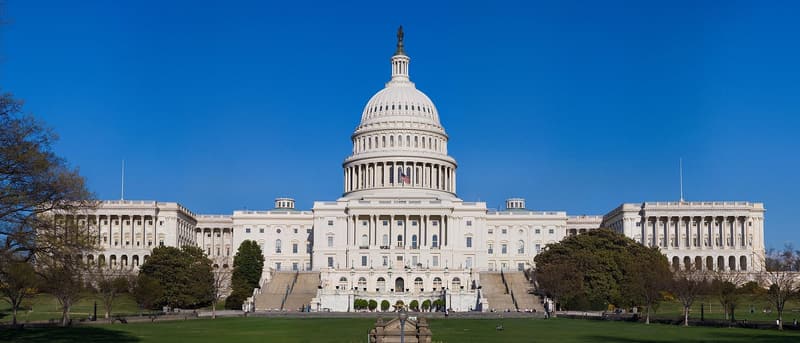
Representative photo · Photo: Noclip / Wikimedia Commons, Public domain
Patrick Witt, former White House crypto adviser, says the failure of the Clarity Act shifts regulatory power to federal agencies.
This is news, not investment advice. NexVani Media is not a SEBI-registered investment adviser and does not recommend buying or selling any security. Do your own research or consult a registered adviser before investing.
The recent legislative failure of the Clarity Act represents a significant setback for digital asset regulation in the United States. Patrick Witt, who served as the executive director of the President's Council of Advisers for Digital Assets until last month, characterized the Senate's inability to pass the bill as a clear failure of American leadership. Speaking at the Solana Breakpoint conference in London, Witt noted that he had dedicated over a year to negotiating the legislation, which was intended to establish a comprehensive framework for crypto markets.
The failure of the Clarity Act shifts the burden of crypto regulation from Congress to federal agencies.
The Clarity Act and legislative hurdles
According to Witt, the bill had largely resolved its primary policy differences but ultimately lost against the clock as the midterm elections approached. Political concerns regarding ethics, specifically those raised by Democrats concerning the Trump family's involvement in crypto ventures, became the primary obstacle. Witt explained that while the administration agreed to strict ethics provisions—including a ban on federal officials issuing digital assets and requirements for blind trusts—the political climate proved insurmountable. Unlike the GENIUS stablecoin bill, which recovered from an initial procedural vote earlier in the presidential term, the Clarity Act was viewed as a single-shot opportunity.
Looking ahead, Witt expressed skepticism about the likelihood of a comprehensive replacement bill passing in the near future. He suggested that the market structure for digital assets in the United States will increasingly be defined by rulemaking and guidance issued through the Federal Register rather than through Capitol Hill. While some components of the proposed legislation might still be integrated into larger packages, the core of market oversight now rests with regulators.
Witt noted that the SEC and CFTC already possess ample authority to oversee the sector. Although he maintains that he is not bearish on the industry, he emphasized that capital will naturally gravitate toward jurisdictions where it is treated most favorably. He also observed that opposition to the industry is becoming less partisan and more generational, with younger lawmakers across the aisle increasingly viewing crypto as a fundamental part of modern financial infrastructure.
Why it matters
The failure of the Clarity Act means that crypto firms in the United States must now navigate a regulatory landscape shaped by agency guidance rather than clear congressional mandates. This shift affects how digital asset markets operate, as the SEC and CFTC continue to implement their own rules. For global investors and participants in regions like South Asia, this underscores the ongoing uncertainty in the U.S. regulatory environment, which remains a central hub for global financial innovation and capital flow.
Sources
More like this

Bitcoin price recovery faces risks as leveraged trading dominates market activity

Nvidia Stock Price Faces Key Resistance Level Following Leadership Scandal
Fed Models AI Economic Scenarios, From Productivity Gains to Potential Market Slumps