Fed Models AI Economic Scenarios, From Productivity Gains to Potential Market Slumps
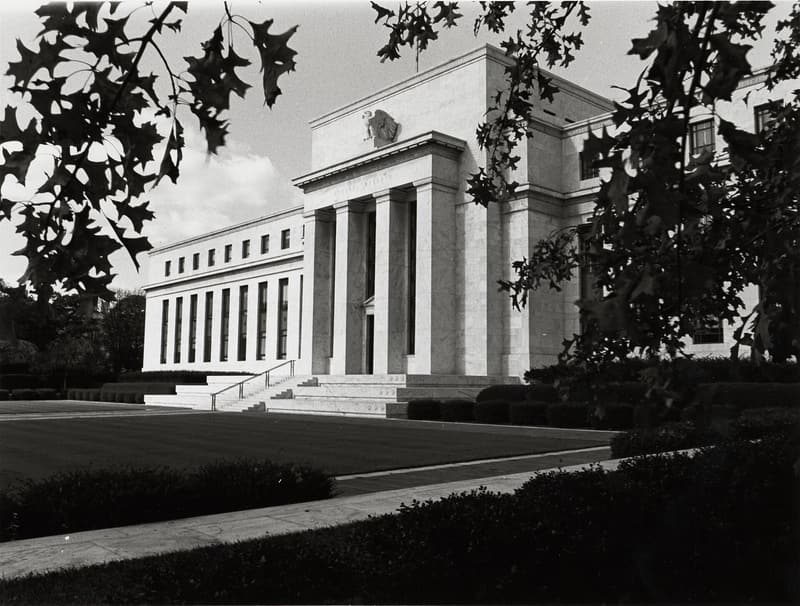
Representative photo · Photo: Federalreserve / Wikimedia Commons, Public domain
Federal Reserve officials are modeling three potential economic futures for artificial intelligence, ranging from productivity growth to a disruptive investment bust.
This is news, not investment advice. NexVani Media is not a SEBI-registered investment adviser and does not recommend buying or selling any security. Do your own research or consult a registered adviser before investing.
Federal Reserve Chair Kevin Warsh announced on Monday that the central bank has begun modeling how artificial intelligence could reshape the U.S. economy. While many people search for information on a federal bank, the Fed is currently focused on long-term structural changes driven by what it now officially terms "super intelligence," or SI. This terminology was adopted in October following an executive order from the Donald Trump administration.
Speaking at the Fed's Productivity and Jobs conference in San Francisco, Warsh clarified that these studies are illustrative scenarios rather than forecasts. The staff is using simplified economic models to test potential outcomes over the next several years, rather than predicting a single path.
The Federal Reserve is modeling three distinct economic scenarios for the future impact of artificial intelligence.
Potential Economic Pathways
The first scenario envisions an optimistic future where AI allows companies to produce more with existing resources, pushing economic output above historical growth rates. In this model, workers share in the gains, and unemployment remains at levels consistent with a healthy labor market. The second path suggests that while the economy grows faster, businesses may automate jobs more rapidly than displaced workers can find new employment, leading to higher unemployment despite productivity gains.
The third scenario warns of an AI investment bust. This assumes that corporate spending on infrastructure fails to yield the returns expected by Wall Street. As Warsh noted, if expectations of massive profits prove too optimistic, equity valuations could fall, triggering an economic slowdown and a sharper rise in unemployment.
Financial Risks and Oversight
Governor Michael Barr highlighted that the AI construction boom is increasingly supported by complex financial arrangements, including energy contracts and long-term computing leases. The Fed estimates that these off-balance-sheet obligations now exceed $3 trillion. While these are not current debts, they indicate that disappointing AI revenues could create broader economic instability beyond the technology sector. Warsh did not suggest any immediate interest-rate changes ahead of the Fed's December policy meeting.
Why it matters
The Federal Reserve's focus on these scenarios highlights the uncertainty surrounding the long-term economic impact of AI. For investors and workers, the distinction between a productivity boom and an investment bust remains a critical area of concern for future financial stability.
These findings affect global markets and economic policy, as the scale of AI infrastructure investment is significant. Understanding these risks is essential for policymakers and businesses as they navigate the potential for both growth and market corrections.
Sources
More like this
US Senators Seek Answers on Tokenized Stock Risks

BlackRock Bitcoin ETF ends 11-day outflow streak amid market fear
Optimizely Hack Hijacked Ledger, BBC and 178 Other Sites to Swap Crypto Wallets