
Cuba Life Expectancy Falls for First Time Since 1950 Amid Economic Crisis
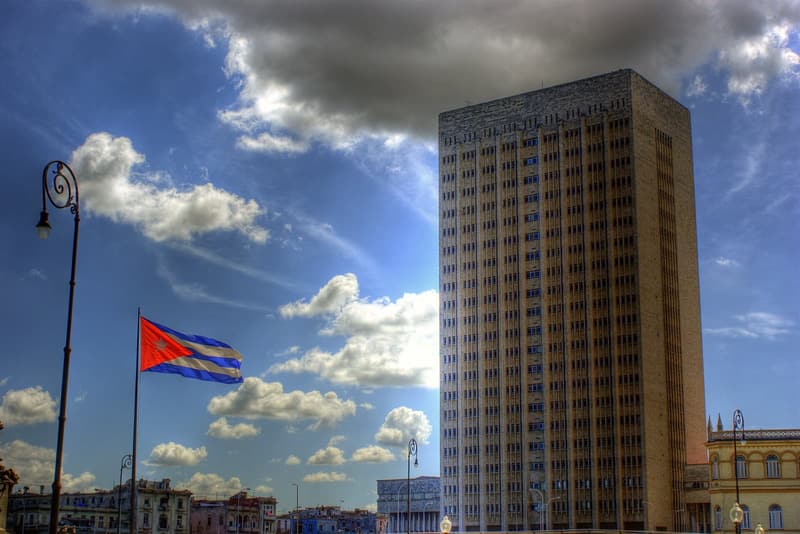
Representative photo · Photo: Martin Abegglen from Bern, Switzerland / Wikimedia Commons, CC BY-SA 2.0
WHO Director-General Tedros Adhanom Ghebreyesus reports a significant decline in Cuban life expectancy as the nation faces a severe economic crisis and mounting health challenges.
The World Health Organization (WHO) has reported a historic decline in Cuba life expectancy, marking the first such drop since records began in 1950. During a recent visit to Havana, WHO Director-General Tedros Adhanom Ghebreyesus revealed that life expectancy on the island has fallen from 78.8 years in 2020 to 74.4 years in 2025. This downturn reflects the deepening impact of a severe economic crisis currently affecting the nation.
Cuba records its first decline in life expectancy since 1950 due to a severe economic crisis.
Health System in Crisis
At a press conference in Havana, Tedros described the state of the Cuban health system as "critical." The data presented highlights a sharp deterioration in key public health indicators. Infant mortality has more than doubled, rising from approximately four deaths per 1,000 live births in 2020 to 9.9 in 2025. Similarly, maternal mortality rates have increased from 37.4 per 1,000 live births in 2019 to 44.1 last year.
Furthermore, the survival rate for childhood cancer has dropped from 85% to 65% since January. This decline coincides with the implementation of a new fuel blockade by the United States, which builds upon a long-standing six-decade trade embargo. The blockade has severely strained the country's infrastructure, leaving essential state services nearing a point of collapse.
In response to these challenges, Tedros announced $2 million in aid aimed at supporting childhood vaccination programs and facilitating the procurement of critical medical equipment. While the WHO chief linked the current health situation to international sanctions, he also acknowledged the role of internal issues. He expressed support for the Cuban government's recently announced market-led economic reforms, which aim to address challenges across various sectors, including the economy and healthcare.
Why it matters
The reported decline in health metrics underscores the vulnerability of public services during periods of intense economic instability. The findings highlight the direct correlation between national economic health and the ability of a government to maintain essential medical standards, affecting the overall well-being of the population.
Sources
More like this

NHS Trusts Face Probe Over Repeated Failures to Admit Treatment Errors

Shortages and Economic Hurdles Drive Iran's Medical Supply Crisis
Pennsylvania Reports Ninth Measles Death in State Outbreak
