Business
Delhi-Jaipur highway NHAI toll collection faces automated plaza hurdles
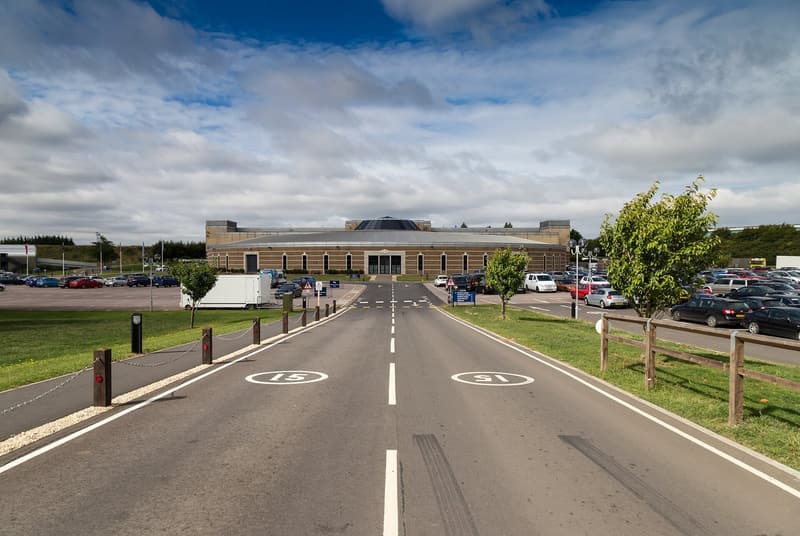
Representative photo · Photo: Fredericknoronha / Wikimedia Commons, CC BY-SA 4.0
Representative photo · Photo: Fredericknoronha / Wikimedia Commons, CC BY-SA 4.0
Automated toll collection on the Delhi-Jaipur highway encounters major obstacles due to thousands of unidentified vehicles bypassing systems.
The National Highways Authority of India is currently confronting significant difficulties regarding revenue collection at electronic plazas along a major northern route. Specifically, the Delhi-Jaipur highway nhai toll operations have revealed a persistent issue involving thousands of motor vehicles passing through without proper identification or system registration. This situation has drawn the attention of transportation authorities, prompting a review of how automated gates manage traffic flow and fee retrieval.
The transition toward barrier-less transit systems was designed to streamline journeys for commuters traveling between the national capital and the prominent tourist destination. However, the inability of automated infrastructure to log every single automobile has created financial shortfalls and operational hurdles. Officials are examining the underlying causes of these unrecorded transits to ensure that fee evasion is minimized and that electronic infrastructure performs as intended.
Thousands of unidentified vehicles bypass automated tolls on the Delhi-Jaipur route, creating enforcement challenges.
The Ministry of Road Transport and Highways alongside the highway authority are now compelled to look closely at enforcement protocols. Without reliable tracking of every commuter vehicle, the long-term viability of automated tolling models comes under scrutiny. Authorities must find balance between maintaining smooth traffic movement and enforcing strict compliance rules for all road users.
This operational hurdle highlights the vulnerabilities within modern transit infrastructure in South Asia, where rapid modernization sometimes outpaces enforcement capabilities. For everyday drivers and logistics operators in India, the outcome of these regulatory reviews could lead to tighter monitoring or modified transit rules on major national corridors.