Metrowater Prepares Plan to Expand Services Across Chennai
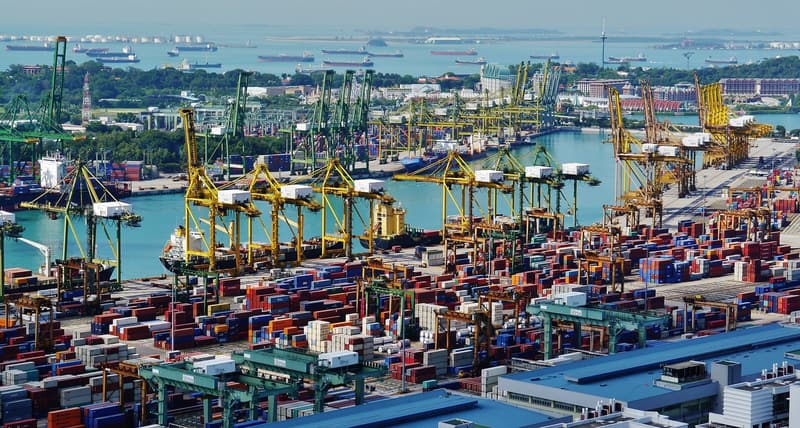
Representative photo · Photo: This Photo was taken by Timothy A. Gonsa / Wikimedia Commons, CC BY-SA 4.0
Chennai Metrowater has formulated a detailed feasibility report to expand its water supply and sewerage services across the entire metropolitan area.
Chennai Metrowater has taken significant steps to broaden its water supply and sewerage network throughout the region, focusing on the broader metropolitan area. The agency is preparing to submit a comprehensive feasibility report to the State government for formal approval, following a recent stakeholder consultation regarding the evaluation conducted by consultant Shah Technical Consultants.
At present, the agency delivers approximately 1,143 million litres of water daily to the Greater Chennai Corporation. Officials note that this upcoming expansion initiative stems directly from a prior budget announcement and is necessitated by the continuous geographic growth of the region. Projections indicate that water demand within the metropolitan area will reach 2,212 mld by the year 2060, highlighting the urgency for infrastructure scaling.
Assessment of Infrastructure Gaps
The newly drafted report thoroughly maps current water and sewer assets while identifying existing infrastructure gaps. It evaluates available water sources, anticipated supply and demand deficits, and the requirements for expanded sewage treatment facilities. While the agency has historically supplied water to selected neighboring local bodies, the new blueprint envisions extending services to the corporations of Tambaram and Avadi, alongside local bodies such as Poonamallee and St. Thomas Mount.
Metrowater is planning a major expansion of water and sewer services across the metropolitan area.
Officials clarified that no formal commitments regarding water supply have been finalized yet, as the document currently awaits state-level decisions. Implementation would occur in phased modalities upon approval. Meanwhile, residents have emphasized that organized utility services are crucial for managing rapid urban development, noting that current civic infrastructure struggles to support proliferating high-rise structures.
Challenges and Potential Water Sources
The feasibility assessment highlights several challenges, including asset transfer complexities, tariff rationalization, and the necessity of securing funding partnerships. To address future resource needs, the agency suggests tapping potential reserves like the Madurantakam Tank, supported by a Water Security Plan. Furthermore, the Water Resources Department has pinpointed numerous additional sources capable of yielding substantial daily water volumes through upgraded storage structures and riverine reservoirs.
Why it matters
This proposed utility expansion directly affects residents, local bodies, and municipal authorities within the growing metropolitan region by aiming to standardize service levels and improve environmental protection. The initiative sets the foundation for future infrastructure investments and systematic resource management as urban demand scales over the coming decades.
Sources
More like this
Anthropic IPO Faces Market Uncertainty Amid Concerns of an AI Bubble Bursting
Cider makers warn that rising costs threaten traditional UK orchards
Dubai Salik Reports Dhs1.04bn Profit Amid High Traffic Volumes