Democrats face fiscal hurdles after election
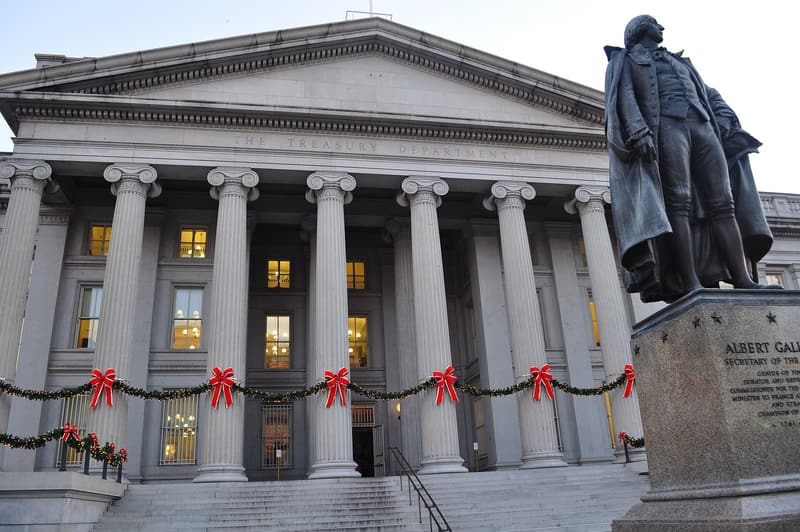
Representative photo · Photo: U.S. Department of the Treasury / Wikimedia Commons, Public domain
Democratic election wins bring promises of a new social contract, but a massive federal deficit and debt threaten their plans.
Following a recent sweeping victory, the newly empowered crop of Democrats faces intense scrutiny regarding their ambitious legislative agenda. The electoral success has brought renewed attention to the discussion surrounding democrats election outcomes and the viability of their proposed social safety net expansions. Lawmakers are advocating for enhanced support for children and parents, the establishment of Medicare for All, and the reversal of previous cuts to Medicaid and food stamps. Additional goals include restoring Affordable Care Act subsidies that were previously allowed to expire.
However, these policy aspirations immediately confront a severe fiscal reality. The federal deficit sits at approximately 6.2% of gross domestic product, while the national debt has reached $40 trillion, exceeding 120% of GDP. Servicing this debt requires about 3.2% of GDP annually, translating to roughly $1 trillion, which surpasses total national defense spending. Furthermore, the Congressional Budget Office projects that both debt and interest payments will outpace economic growth in the coming decades.
Independent estimates from the Center on Budget and Policy Priorities indicate that extending Obamacare subsidies from 2030 to 2039 would cost $460 billion. Reversing budget reductions to Medicaid and the SNAP food stamp program would require an additional $2.2 trillion over the same decade. Brendan Duke, senior director for federal budget policy at the CBPP, noted that addressing these previous policy changes will involve substantial financial resources. Compounding these pressures, the Social Security trust fund is projected to deplete its reserves in less than six years, triggering an automatic 22% benefit cut under current law unless legislative action is taken.
Historical analysis suggests that this budget constraint is the result of long-term Republican strategies aimed at limiting federal spending through tax cuts. Bruce Bartlett, a former budget policy adviser to Ronald Reagan, has argued that such tax reductions are deliberately designed to restrict the fiscal capacity of future administrations. Donald Trump’s One Big Beautiful Bill Act is projected to add trillions to the national debt over the next decade, further complicating efforts by lawmakers to secure adequate tax revenues for social programs.
The post-election wish list runs into a harsh fiscal reality with no money left.
Revenue generation remains a significant hurdle. Total tax revenue in the United States currently amounts to less than 26% of GDP, which is lower than the tax takes of several other affluent nations including Britain, Canada, Germany, and Sweden. Historically, raising federal taxes has proved politically difficult, particularly when any Republican representation is present in government. Upcoming expirations of certain tax cuts implemented under Trump will provide a direct test of whether lawmakers are prepared to finance their envisioned social contract.
Why it matters
The financial challenges facing the United States government will dictate whether newly elected officials can successfully fund their proposed social programs or whether deep structural deficits will force significant spending cuts instead.
Sources
More like this

Pakistan PTI Demands Access to Jailed Khan After Hospital Visit

Andy Burnham Hails Major UK Windfarm Approvals
Is Washington Rethinking Its Strategic Relationship with Israel?