Politics
Democrats Capture At Least 258 Seats in Historic House Sweep
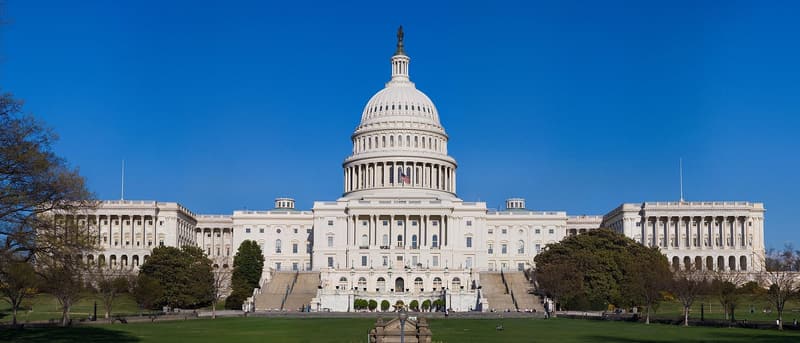
Representative photo · Photo: Noclip / Wikimedia Commons, Public domain
Representative photo · Photo: Noclip / Wikimedia Commons, Public domain
Democrats secured their largest House sweep since 1992, winning at least 258 seats after a Sunday victory in North Carolina.
House democrats have secured their best general election result in decades, winning at least 258 seats in a midterm sweep not seen since 1992. The milestone was reached on Sunday after Democrat Chuck Hubbard defeated Republican representative Virginia Foxx in North Carolina. Four other House races remain outstanding, leaving the total count subject to final updates.
This outcome creates vast opportunities to govern alongside immense pressure to deliver on campaign promises. Democrats have gained 44 House seats so far, surpassing the 40 seats they picked up during Donald Trump's first midterm in 2018. The historic victory spans from strong Republican states to the midwest and east coast as voters expressed discontent with high prices and administration policies.
Democrats won at least 258 seats in their largest House sweep since 1992.
The milestone in the 435-member chamber establishes a divided government, with the Senate also under Democratic control and a Republican president in the White House. Senate Democrats secured a 56-seat majority in the 100-member chamber, giving the party its largest advantage in over a decade.
Emboldened lawmakers are organizing a 100-day agenda focused on lowering the cost of living. Planned actions include swift votes to reverse Republican Medicaid cuts and restore expired Affordable Care Act tax credits. Simultaneously, leaders plan to launch extensive investigations and utilize subpoena powers to exercise congressional oversight over presidential power.
This shift in congressional power alters the legislative landscape in Washington by placing both the House and Senate in Democratic hands. The widened majority gives incoming leadership significant room to maneuver and enact their policy priorities while serving as a direct check on the executive branch.