Democrats’ Midterm Wins and the Future of Trump’s ICE Enforcement
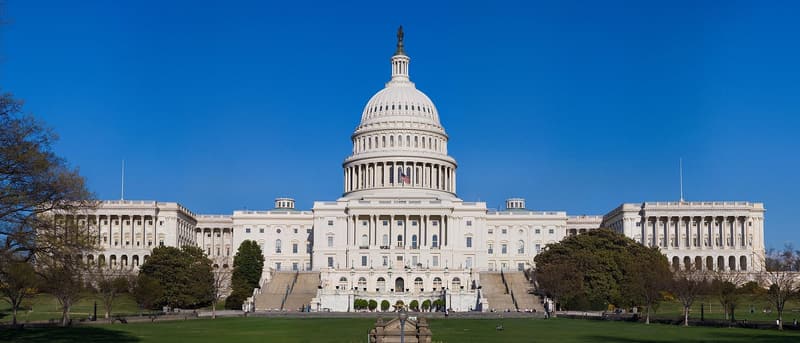
Representative photo · Photo: Noclip / Wikimedia Commons, Public domain
Following a successful midterm showing, Democrats are preparing to challenge the Trump administration's aggressive immigration policies through congressional oversight.
Following the recent midterm elections, voters are asking what Democrats are running for in terms of policy, particularly regarding the future of federal immigration enforcement. The "blue wave" has handed Democrats control of both chambers of Congress, providing them with a platform to challenge the Trump administration’s deportation campaign. While the party has secured significant new majorities, they face a complex path toward legislative reform due to the presidential veto and the Senate filibuster.
Democrats plan to use congressional oversight to challenge and investigate the Trump administration’s aggressive immigration policies.
Oversight and Investigations
Although passing new laws is difficult, Democrats possess the unilateral power to conduct rigorous oversight. Incoming committee leaders plan to issue subpoenas and hold public hearings to scrutinize the Department of Homeland Security. Officials such as White House chief of staff Stephen Miller and homeland security secretary Markwayne Mullin may be called to testify regarding agency conduct. Democrats also aim to increase transparency by visiting detention facilities and exposing the realities of current immigration enforcement.
Legislative Challenges
While some progressive members have called to dismantle the agency, the idea of abolishing ICE remains a political liability and lacks broad support within the party. Instead, leadership is focusing on moderate reforms, such as banning masks for officers and mandating body-worn cameras. There is also potential for bipartisan cooperation on targeted issues, such as providing a pathway to citizenship for "Dreamers" or reinstating temporary protected status for nationals from countries like Haiti and Afghanistan. However, the administration’s massive funding for ICE—which has received roughly $250 billion during Trump’s second term—remains a primary target for Democratic budget clawbacks.
State-Level Shifts
Beyond Washington, the political landscape in states like Texas has shifted significantly. With Democrats gaining control of key offices, there is an opportunity to move away from state-level policies that mandate cooperation with federal deportation efforts. By pulling back on these collaborative agreements, local governments may be able to reduce the impact of ICE arrests on their communities and rebuild trust with local law enforcement.
Why it matters
This shift in power signals a move toward increased accountability for federal immigration agencies. For individuals and communities affected by deportation, including many from South Asian nations who rely on protected status programs, these oversight efforts could lead to greater scrutiny of detention conditions and potential policy adjustments.
Sources
More like this

Investigation Identifies Former US Official Behind Habibi UK X Account
Shenzhen Hosts Apec 2026 as Xi Jinping Positions China as Global Leader

US President Trump Arrives in Manila for ASEAN Summit