Israeli Opposition Pushes for New Knesset Speaker to Challenge Netanyahu
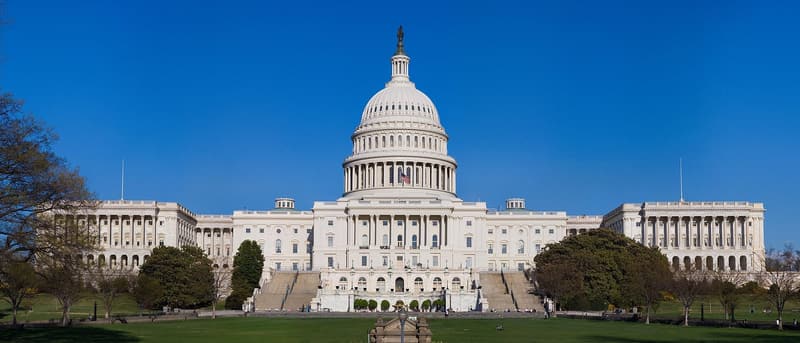
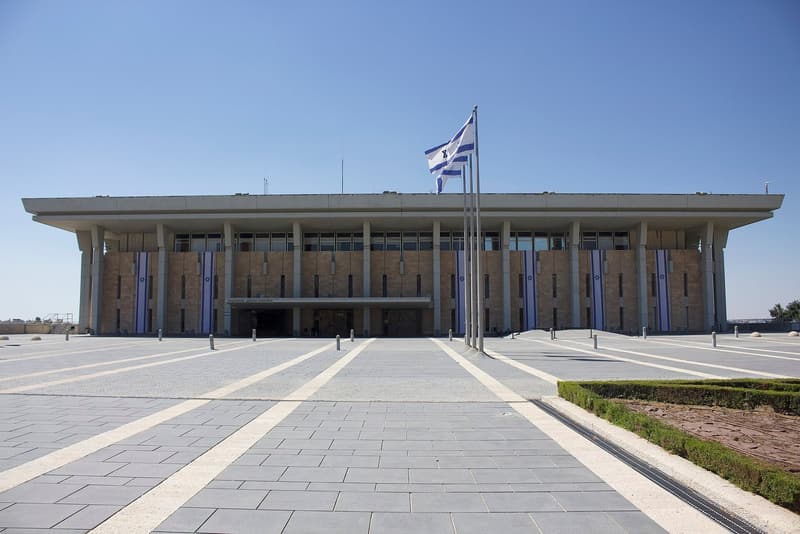
Representative photo · Photo: Clema12 / Wikimedia Commons, CC BY-SA 4.0
The anti-Netanyahu bloc is moving to elect a new Knesset speaker, aiming to shift the legislative agenda and challenge the caretaker government's power.
Following the conclusion of the recent election, the political coalition opposing Prime Minister Benjamin Netanyahu has initiated a strategic effort to appoint a new speaker for the Knesset, the Israeli parliament. This move is viewed as a critical step by the opposition, led by Gadi Eisenkot, to establish momentum and potentially reshape the legislative landscape while government formation talks remain ongoing.
Knesset Israeli Parliament Dynamics
The position of the Knesset Israeli parliament speaker is far more than a procedural role. Under the established rules of procedure, the speaker wields significant authority, including the power to set the legislative agenda, preside over sessions, and manage the process for votes of confidence. By securing this post, the opposition hopes to gain a strategic foothold to push forward their own policy objectives.
The opposition bloc seeks to control the Knesset speaker position to challenge the current government's legislative agenda.
Matan Kahana of the Yashar party has been nominated by the opposition alliance, known as the "Change bloc," to take the role. Kahana, a veteran parliamentarian who has served with various alliances since 2019, is considered a bridge-builder capable of navigating the complex political environment. His candidacy has received support from Arab-led parties, including the Joint List, who have expressed a strong desire to see a change in leadership.
If successful, the opposition intends to introduce several key legislative measures. These include the formation of an independent commission to investigate the October 7, 2023, Hamas-led attacks, the restoration of attorney general powers, and the implementation of a two-term limit for the premiership, which would effectively bar Netanyahu from future terms. These actions could proceed even while the caretaker government remains in place.
Why it matters
This development marks a significant attempt by the opposition to curb the influence of the outgoing administration. By controlling the parliamentary agenda, the anti-Netanyahu bloc aims to undo parts of the current government's legacy and exercise oversight that has previously been blocked.
For observers in India and South Asia, this shift highlights the volatility of coalition politics in Israel. The potential for a legislative stalemate or a change in government priorities could have broader implications for regional stability and diplomatic relations, as the country navigates this period of political transition.
Sources
More like this
Independent MPs Criticize Last-Minute Changes to Federal Election Funding Laws

Alan Milburn report on youth unemployment unveiled to reshape welfare

Mozambique Opposition Leader Venâncio Mondlane Faces Trial Over Election Unrest