Egypt and Pakistan Deploy Fighter Jets to Saudi Arabia Amid Houthi Threats
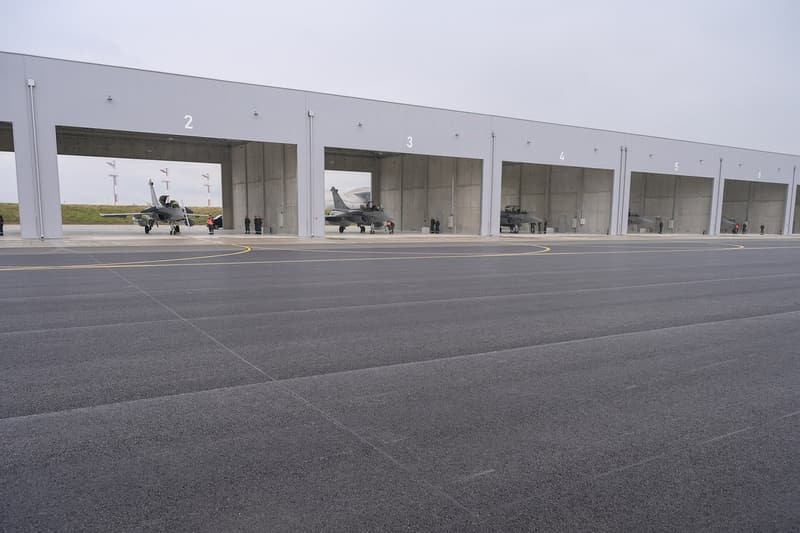
Representative photo · Photo: MORH/ F. Klen / Wikimedia Commons, CC BY 4.0
Egypt and Pakistan have bolstered Saudi Arabia's defenses with Rafale and JF-17 aircraft to counter Houthi attacks, creating a unique military alignment.
Egypt and Pakistan have deployed significant military assets, including fighter jets, to Saudi Arabia to bolster the Kingdom’s security against Iran-backed Houthi threats. The Egyptian military has reportedly moved a full squadron of Rafale jets to Saudi territory, along with helicopters, transport aircraft, and ground troops. This deployment aims to safeguard key infrastructure from ongoing drone and missile attacks that have frequently targeted the region's airports and oil facilities. While many enthusiasts often search for Rafale full details regarding the aircraft's capabilities, this strategic movement highlights the platform's role in international security partnerships.
Pakistan has similarly reinforced its presence under a mutual defense agreement signed in September 2025. Reports indicate that Islamabad has deployed approximately 8,000 troops, two drone squadrons, and a squadron of JF-17 Thunder jets to assist Riyadh. While some international reports suggested these aircraft were involved in offensive operations against the Houthis, the Pakistani government has categorically denied these claims. A spokesperson for the Pakistani Foreign Office clarified that these forces are intended for defensive purposes and will not cross into Yemen to launch attacks.
Egypt and Pakistan have deployed fighter jets to Saudi Arabia to strengthen the Kingdom's defensive capabilities.
Strategic Military Buildup
The Egyptian deployment includes the positioning of air defense systems at strategic locations and the dispatch of warships toward the Bab al-Mandeb Strait. This waterway is critical for global trade, connecting the Red Sea to the Gulf of Aden. Egypt views the security of this passage as vital, as disruptions to shipping force vessels to take longer routes around Africa, which negatively impacts Suez Canal revenue. Although the Egyptian parliament has authorized military support for Riyadh, internal debates persist among military leaders regarding the potential for ground operations.
Why it matters
This deployment creates a notable military intersection, as it brings together French-made Rafale jets and Chinese-developed JF-17 Thunders in the same theater. These two aircraft types were on opposite sides during the May 2025 India-Pakistan clash, where both nations claimed air dominance.
For observers in India and South Asia, this development is particularly significant. While the Egyptian and Indian versions of the Rafale share the same airframe, their internal systems, such as sensors and electronic warfare suites, differ. The presence of these jets in a joint defensive role in the Middle East marks a surprising turnaround from the intense aerial combat seen just over a year ago.
Sources
More like this

Afghanistan completes a new road to the China border, but it remains closed

Rescue efforts underway after tanker hits cruise boat in New Orleans
Cruise Ship and Tanker Collide on New Orleans Mississippi River