Emirates Group Profit Drops 66 Percent Amid Middle East War and High Fuel Costs
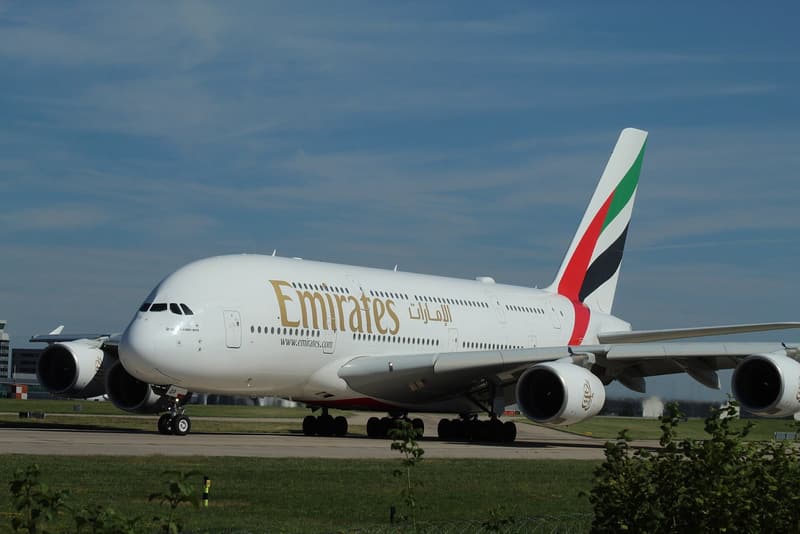
Representative photo · Photo: Ian Gratton / Wikimedia Commons, CC BY 2.0
The Dubai-based aviation giant reported its steepest earnings decline since 2020, citing regional instability and rising energy prices.
The Emirates Group has reported a 66 percent year-on-year decline in profits for the first half of the financial year, as the ongoing Middle East war and elevated fuel prices weighed heavily on operations. The Dubai-based aviation conglomerate, which owns the region's largest airline, announced that its profit after tax reached 3.6 billion AED ($1 billion). This significant downturn marks the group's most challenging period since the global aviation sector was crippled by travel restrictions during the 2020 pandemic.
Since the conflict escalated in late February, energy markets have faced extreme volatility, particularly following disruptions in the Strait of Hormuz. These logistical hurdles, combined with regional airspace closures and shifting government travel advisories, have created a difficult environment for international carriers. The airline noted that passenger traffic between April and September fell by 22 percent, totaling 21.8 million travelers compared to the previous year.
Emirates Group profit fell 66 percent as regional conflict and high fuel costs disrupted aviation operations.
Impact of the Middle East war on aviation
The broader Emirates Group saw revenues decline by 12 percent to 66.2 billion AED, though the company’s cargo business provided a necessary buffer for the bottom line. Emirates airline specifically reported a 68 percent drop in pre-tax profit, totaling 3.7 billion AED. Despite these headwinds, Chairman and Chief Executive Sheikh Ahmed bin Saeed Al Maktoum described the period as a test of the company's resilience, noting that the group has maintained its investment strategy.
To navigate the current climate, the airline has introduced new customer initiatives, including unrestricted travel insurance and flexible booking policies. The group also remains committed to long-term infrastructure, having broken ground in May on a $5.1 billion engineering and maintenance facility at Al Maktoum International Airport. While the operational environment remains complex, the company continues to utilize its strong cash reserves to manage debt and ongoing aircraft commitments.
Why it matters
The sharp decline in earnings highlights the vulnerability of major regional transport hubs to geopolitical instability. For the aviation industry and travelers, this shift underscores how persistent conflict and energy price spikes can rapidly reshape global travel flows and operational costs.
Sources
More like this

Bank of England raises interest rate to 4% despite economic concerns

Faisal Islam: How high will interest rates go?

Bank of England raises interest rates: three ways 2022 impacts your finances