EU and Indonesia Sign Trade Deal to Boost Economic Ties
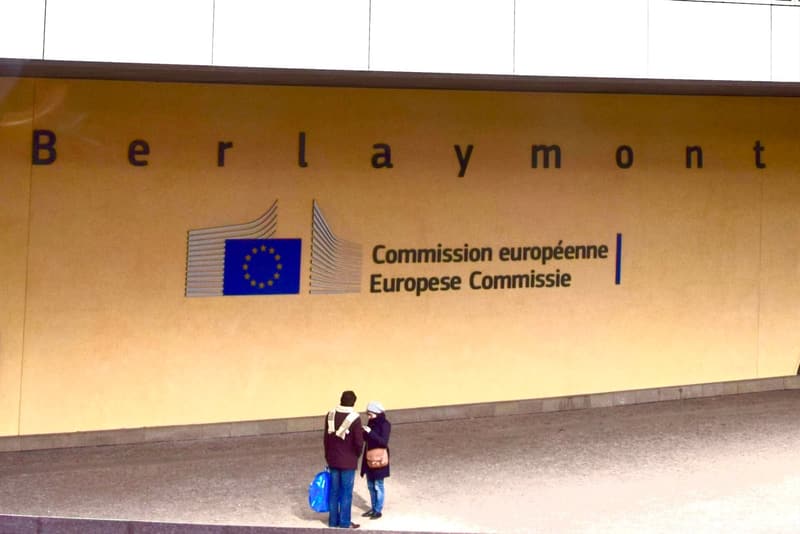
Representative photo · Photo: Ank Kumar / Wikimedia Commons, CC BY-SA 4.0
The European Union and Indonesia have signed a comprehensive free trade agreement following nearly a decade of talks, aiming to reduce tariffs and boost investment.
The European Union and Indonesia have formally signed a bilateral free trade agreement on Saturday, marking what officials from both sides described as the dawn of a fresh chapter in bilateral commerce. The historic pact brings together economies representing a combined market of seven hundred thirty million people, creating pathways for deeper integration across various industrial sectors.
Ursula von der Leyen, who leads the European Commission, highlighted the significance of the agreement during the official signing ceremony, noting it stands among the most ambitious commercial pacts the bloc has ever secured in Asia. The overarching package features the Indonesia-European Union Comprehensive Economic Partnership Agreement alongside a separate Investment Protection Agreement. These instruments are specifically crafted to dismantle commercial obstacles and stimulate capital flow into critical areas including electronics, pharmaceuticals, and electric vehicles.
This development concludes a protracted diplomatic journey that involved nearly ten years of rigorous negotiations. For the European bloc, the arrangement aligns with a broader strategy to diversify commercial partnerships and mitigate over-reliance on individual economic giants amid a climate of escalating global trade frictions. Von der Leyen underscored the necessity of open markets, remarking that the union maintains accessible channels while other entities retreat behind closed doors.
Under the terms of the new agreement, duties on roughly ninety-eight percent of goods exported from the European bloc to Indonesia will be eliminated. Projections indicate that European enterprises could achieve annual savings exceeding six hundred million euros. Meanwhile, Indonesian officials expressed optimism regarding the domestic advantages for key export commodities destined for European markets, including footwear, textiles, and palm oil.
Addressing historical friction points, the framework incorporates specific protocols and cooperative mechanisms to tackle environmental criteria and sustainability regulations concerning palm oil production. Before the accord can officially take effect in the year twenty twenty-seven, it must navigate final legislative steps, requiring formal approval from the European Parliament alongside the conclusion of domestic ratification procedures by Indonesian authorities.
Why it matters
The newly signed economic partnership fundamentally alters trade dynamics for a population base spanning seven hundred thirty million individuals, promising reduced tariff barriers and heightened capital inflows. By fostering closer regulatory alignment and market openness, the agreement provides strategic stability for both European exporters and Indonesian producers navigating shifting global economic landscapes.
Indonesia and Singapore
Sources
More like this

Seattle Airport Prepares for Nearly 900,000 Travelers Over Thanksgiving

Beauty fans find savings in early Black Friday sales across top cosmetic brands

Abu Dhabi Court Uses WhatsApp to Order Repayment of Dhs69,000 Loan