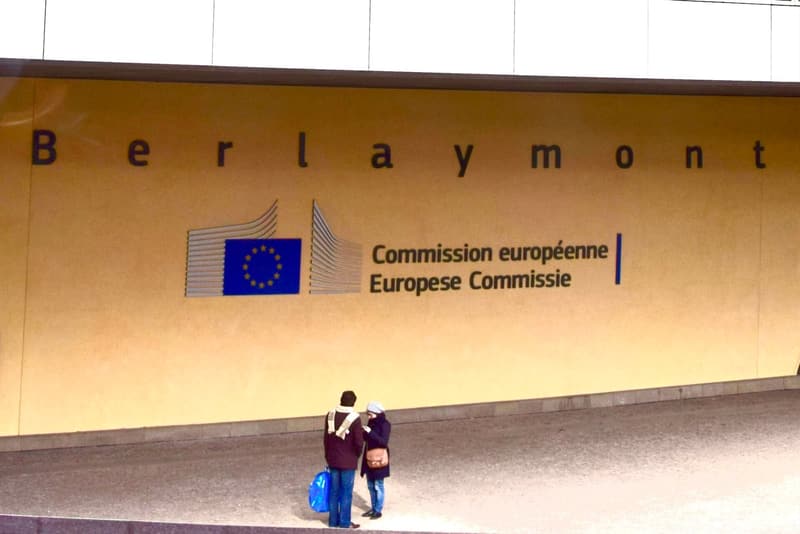
UK-EU Deal Remains Valid Regardless of Tuition Fees Agreement, Says Miliband
Representative photo · Photo: Ank Kumar / Wikimedia Commons, CC BY-SA 4.0
Foreign Secretary Ed Miliband has confirmed that the new UK-EU cooperation deal will proceed even if negotiations on student tuition fees fail to reach a conclusion.
Foreign Secretary Ed Miliband has confirmed that the recently finalized agreement between the United Kingdom and the European Union will proceed as planned, regardless of whether a separate deal is reached regarding tuition fees. While some observers have searched for details on the overarching deal, Miliband emphasized that the primary measures, including food export regulations and youth mobility, remain unaffected by the ongoing discussions on education costs.
Understanding the Deal
The agreement, reached in Brussels on Friday, includes provisions to eliminate most checks on British food exports, provided the UK aligns with specific EU regulations starting in 2028. It also establishes a new youth mobility scheme. Although European Commission President Ursula von der Leyen expressed confidence that a resolution regarding tuition fees for EU students in the UK would be achieved, Prime Minister Andy Burnham noted that this specific issue remains a separate matter from the core agreement.
The UK-EU cooperation deal will proceed as planned regardless of the outcome of separate tuition fee negotiations.
During an interview with the BBC, Miliband stated it was "absolutely clear" that the agreements on energy, food exports, and youth mobility would be implemented. He dismissed concerns that the bloc might withhold the wider deal until tuition fees are lowered, noting that legislation is already being prepared for 2028. Furthermore, Miliband clarified that the summit did not involve new costs for UK taxpayers or additional contributions to the EU budget.
Future Relations and Political Reaction
When pressed on the possibility of rejoining the EU, Miliband remarked that "all the options will be on the table," though he noted the government intends to respect existing red lines during the current parliament. Prime Minister Burnham has championed the deal as a "win-win" that could potentially boost the economy by up to £17 billion annually and reduce the cost of living.
However, the agreement has faced significant criticism from opposition leaders. Conservative leader Kemi Badenoch labeled the deal unfair, arguing it forces UK farmers to follow Brussels-led rules and creates job competition for young Britons. She also challenged the government's economic projections. Meanwhile, Reform UK leader Nigel Farage described the deal as a betrayal of the British public.
Why it matters
The agreement marks a significant shift in the post-Brexit relationship between London and Brussels, aiming to reduce red tape and foster economic cooperation. By decoupling the core trade and mobility measures from the contentious issue of student tuition fees, the UK government ensures that the primary benefits of the deal remain on track for implementation by 2028.
For international observers, the move highlights the evolving nature of UK-EU ties. While the agreement does not directly involve South Asian nations, the potential economic impact on the UK market and the shift in regulatory alignment with Europe may influence future trade discussions and policy frameworks globally.
Sources
More like this

Netanyahu’s Rhetoric Echoes the Atmosphere Before the Yitzhak Rabin Assassination

Israel's Opposition Bloc Faces Internal Divisions Amid Netanyahu's Maneuvering

Victorian Greens seek court injunction against independent candidate's voting cards