Politics
EU and UK leaders rarely hold a summit to discuss post-Brexit ties
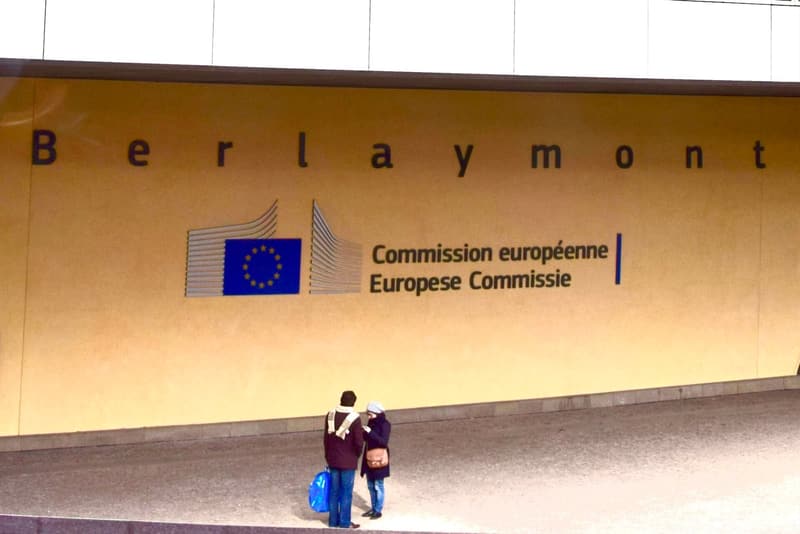
Representative photo · Photo: EmDee / Wikimedia Commons, CC BY-SA 4.0
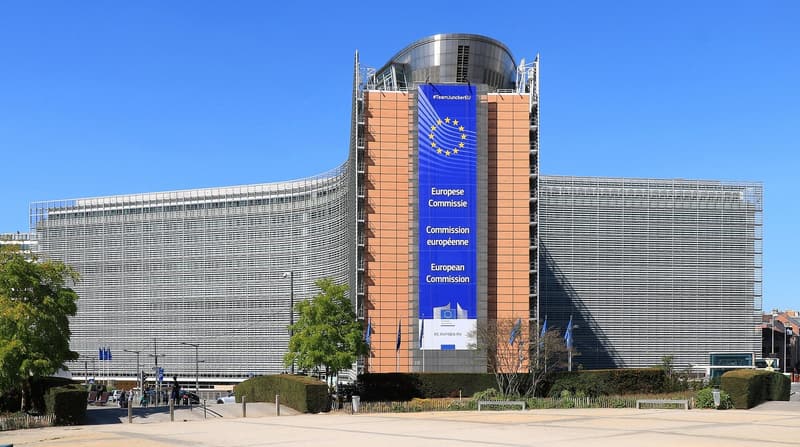
Representative photo · Photo: EmDee / Wikimedia Commons, CC BY-SA 4.0
European Union officials and UK Prime Minister Andy Burnham met in Brussels for a rare summit aimed at discussing potential steps to rebuild bilateral relations.
Top officials from the European Union and UK Prime Minister Andy Burnham gathered in Brussels for discussions aimed at resetting relations nearly a decade after the British vote to leave the bloc. The leaders rarely hold a summit of this nature, making the gathering a notable moment for both sides as they explore future cooperation. Ahead of the meetings, officials indicated that agreements concerning trade and youth mobility were under consideration.
Discussions focused on three main proposals. The first involves easing food exports through reduced administrative hurdles for British companies sending goods to Europe. The second seeks to connect the emissions-trading frameworks of the UK and the European Union. The third initiative proposes a youth mobility program to allow young citizens to travel, study, and work across borders without traditional visa restrictions.
Implementation of these measures remains contingent on a significant condition. Brussels has stipulated that the agreements will only proceed if both governments reach a consensus to reduce university tuition fees for EU students in the UK to match domestic rates. Officials hope to finalize a resolution on tuition costs within the next six months.
EU and UK leaders are discussing new agreements on trade, emissions, and youth mobility in Brussels.
Prime Minister Burnham expressed optimism upon arrival, emphasizing shared values and the importance of a close partnership. Recent polling data indicates shifting public opinion regarding the 2016 referendum, with a majority of surveyed participants suggesting the departure was a negative outcome.
This high-level dialogue represents a potential turning point in UK-EU relations, affecting future trade procedures, educational costs for international students, and cross-border mobility opportunities for young workers across Europe and Britain.