Europe Views US With Less Horror After Midterm Results
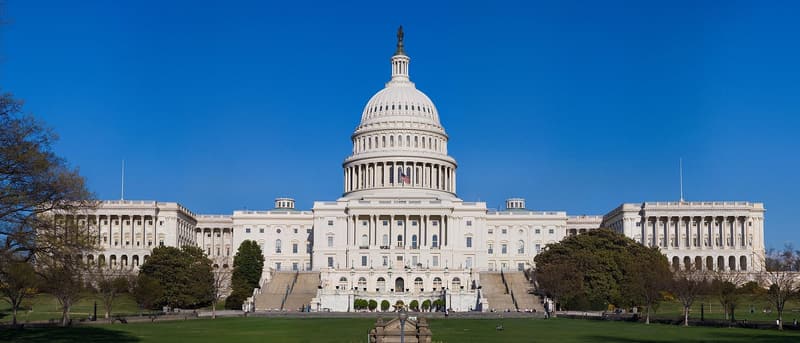
Representative photo · Photo: Noclip / Wikimedia Commons, Public domain
While the US midterm results may ease European anxiety, experts warn that the long-term trend of Washington's strategic pivot away from Europe remains firmly in place.
As the political landscape in Washington shifts following recent midterm elections, many observers are tracking how Europe Trump news might influence the future of transatlantic relations. While some suggest the Democratic Party’s performance could foster a more cooperative environment, analysts caution against expecting a fundamental reversal in American foreign policy priorities.
A Shifting Transatlantic Consensus
For decades, the foundation of the transatlantic alliance relied on the mutual assumption of American security guarantees and a prosperous, stable Europe. Experts note that this consensus has eroded over time, a process that began well before the current administration. The strategic reorientation toward Asia, initiated during the Obama era due to perceived security threats, established a bipartisan trend that continues today. Both Democrats and Republicans now largely agree that European nations must take greater responsibility for their own security.
The long-term US strategic pivot away from Europe is unlikely to be reversed by midterm election results.
Although a Democrat-led Congress may gain more influence over federal spending and legislative oversight, the president retains significant authority over foreign policy. Economists point out that even if the administration’s rhetoric softens, issues such as tariffs, Iran, and the war in Ukraine remain areas where the executive branch holds substantial sway. Furthermore, some analysts suggest that a politically weakened president might pursue an even more unpredictable foreign policy to demonstrate strength on the global stage.
Uncertainties in Diplomacy
In the context of the war in Ukraine, officials in Kyiv remain concerned about the transition period before the new Congress takes office in January. There are fears that the US might prioritize exclusive negotiations with Russia, potentially sidelining European allies. Meanwhile, the Pentagon is preparing to release a review of its military footprint in Europe, which could lead to significant changes in troop distribution. Trade relations also remain complex, as the shift toward protectionism has become a bipartisan feature of American politics, making the immediate removal of existing tariffs unlikely.
Why it matters
The erosion of the traditional transatlantic security pact signifies a new era where European nations must navigate global challenges with less reliance on Washington. This shift impacts international stability, as European governments face the dual pressure of managing a cost-of-living crisis and securing their own borders, all while their influence in US-led negotiations remains uncertain.
Sources
More like this

New Proposals Offer a Second Chance for Youth Offenders in England and Wales
How Christian Zionism and the Greater Israel Vision Influenced US Policy

A Record Number of Democratic Socialists Win Mayoral Seats Across the US