World
European Union Seeks Role in Talks as What European Union Strategy Shifts
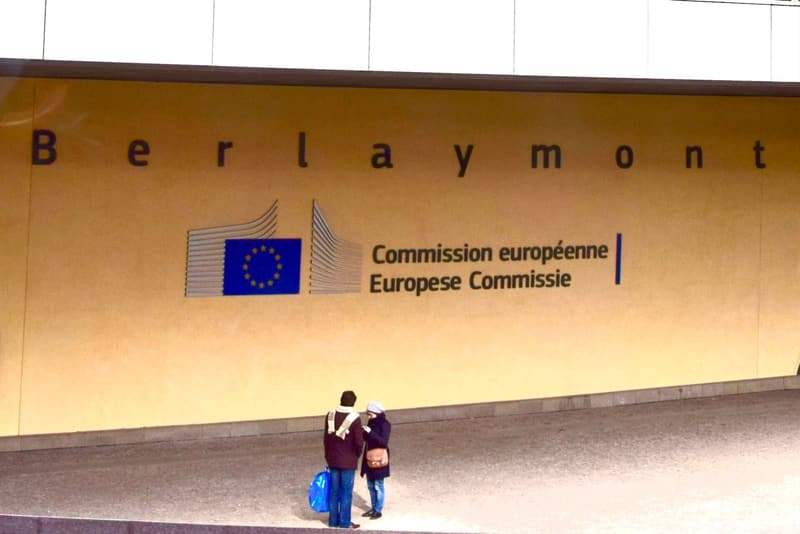
Representative photo · Photo: JLogan / Wikimedia Commons, CC BY-SA 3.0
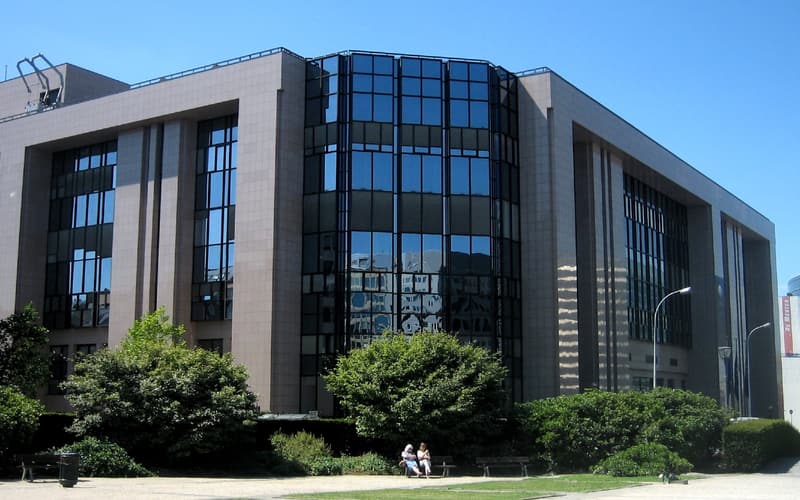
Representative photo · Photo: JLogan / Wikimedia Commons, CC BY-SA 3.0
The European Union is internally divided over diplomatic strategies to resolve the ongoing Russia-Ukraine conflict as international pressure for negotiations intensifies.
As the conflict between Russia and Ukraine enters its fifth year, the question of what European Union member states should prioritize in diplomatic efforts has become a point of significant internal debate. While Russia continues to intensify its military operations against Ukrainian cities and Kyiv maintains its long-range strike capabilities, the focus has shifted toward the potential for a negotiated settlement.
Diplomatic pressure is mounting, with the European Union actively seeking a formal seat at the table during United States-brokered discussions aimed at ending the four-and-a-half-year war. This ambition, however, is complicated by differing views among member states regarding the best path forward for peace and security in the region. Experts tracking the situation, including former US special representative for Ukraine negotiations Kurt Volker, academic Donnacha O Beachain, and journalist Leonid Ragozin, have highlighted the complexity of balancing military support with the urgent need for a sustainable diplomatic framework.
The European Union is seeking a greater role in US-led peace negotiations to end the Russia-Ukraine war.
While the military situation remains volatile, the push for a diplomatic resolution is becoming the primary focus for European leaders. The challenge lies in harmonizing the varied interests of member states while ensuring that the European bloc remains a relevant and unified actor in the high-stakes negotiations currently being brokered by Washington. The outcome of these discussions will not only determine the future of the conflict but also redefine the geopolitical influence of the EU on the global stage.
The internal division within the European Union complicates its ability to present a unified front in international negotiations. This uncertainty impacts the speed and nature of potential peace efforts, affecting both the immediate security of the region and the long-term stability of European diplomatic relations.