Is Israel Eisenkot politics a shift away from Netanyahu?
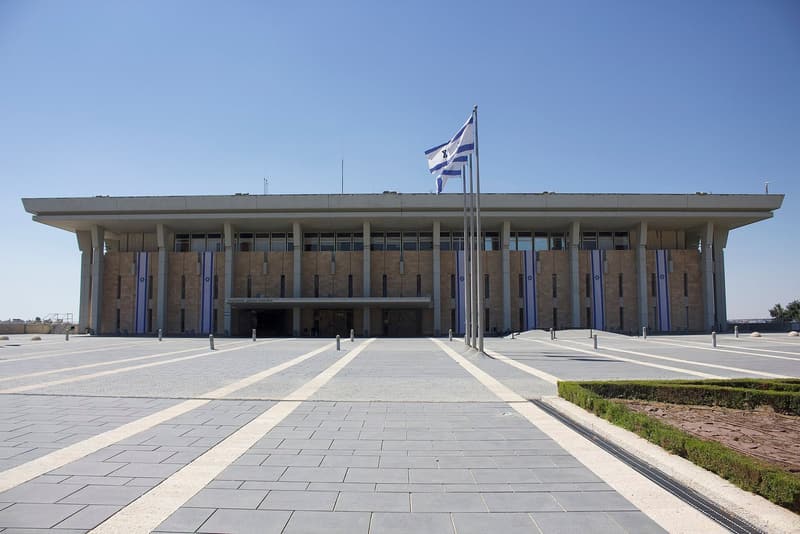
Representative photo · Photo: Clema12 / Wikimedia Commons, CC BY-SA 4.0
As negotiations to form a new government continue, questions arise over whether Gadi Eisenkot’s opposition bloc represents a true departure from the policies of Benjamin Netanyahu.
As the complex process of forming Israel’s next government continues, many are looking at whether Gadi Eisenkot and his opposition bloc can move the country beyond the divisive strategies of the previous administration. While some hope for a change in direction, observers are closely examining Israel Eisenkot policies to determine if the proposed coalition truly offers a break from the past.
Benjamin Netanyahu’s caretaker government was defined by the integration of far-right figures, the pursuit of judicial changes, and the expansion of illegal settlements in the West Bank. In contrast, the opposition bloc led by Eisenkot has pledged to repeal the judicial overhaul, initiate a commission of inquiry into the security failures of October 7, and address the draft exemption for ultra-Orthodox youth.
Understanding Israel Eisenkot politics
Despite these pledges, the ideological composition of the opposition bloc remains varied. Eisenkot, leader of the Yashar Party, is a centrist security hawk known for the Dahiya doctrine, which advocates for the use of overwhelming force in conflict zones. His economic platform is pro-market, favoring tax cuts over redistribution. Other key figures include the right-wing Naftali Bennett, who has previously supported annexing 60 percent of the West Bank, and the secular right-wing leader Avigdor Lieberman. Yair Lapid brings a center-liberal perspective, while Yair Golan of the Democrats represents the left-wing, pro-liberal, and dovish minority within the group.
Academic research suggests that the shift in Israel’s political landscape is significant. Roi Zur of the University of Essex notes that the Likud party, once viewed as conservative, now aligns more closely with far-right European parties. However, the opposition bloc itself holds right-wing views on key issues, including the rejection of a Palestinian state and the maintenance of illegal settlements. While members like Lapid have previously supported a two-state solution, the coalition’s overall stance remains heavily focused on security and military dominance.
A change in government leadership may not necessarily signal a departure from established right-wing political ideologies.
Observers remain skeptical about whether these contrasting factions can maintain a stable government. Previous coalitions, such as the one led by Bennett and Lapid, collapsed under the weight of internal disagreements regarding settler privileges. Furthermore, with Israeli society shifting steadily toward the right, any new administration will operate within a political environment that has become increasingly hardened since the events of October 2023.
Why it matters
This transition is significant because it highlights the potential for a change in government leadership without a corresponding shift in core state policy. For both domestic and international observers, the question remains whether a new coalition can move beyond the security-heavy, right-wing status quo that has defined the region’s recent trajectory.
Sources
More like this
Pro-Brexit campaigns return as figures behind Vote Leave and Leave.EU launch groups

ICE Agents Pepper Spray Pregnant US Citizen During California Protest
Abdul El-Sayed’s Senate Victory Challenges American Islamophobia