Experts say trusted messengers are critical as Amish grapple with measles outbreak
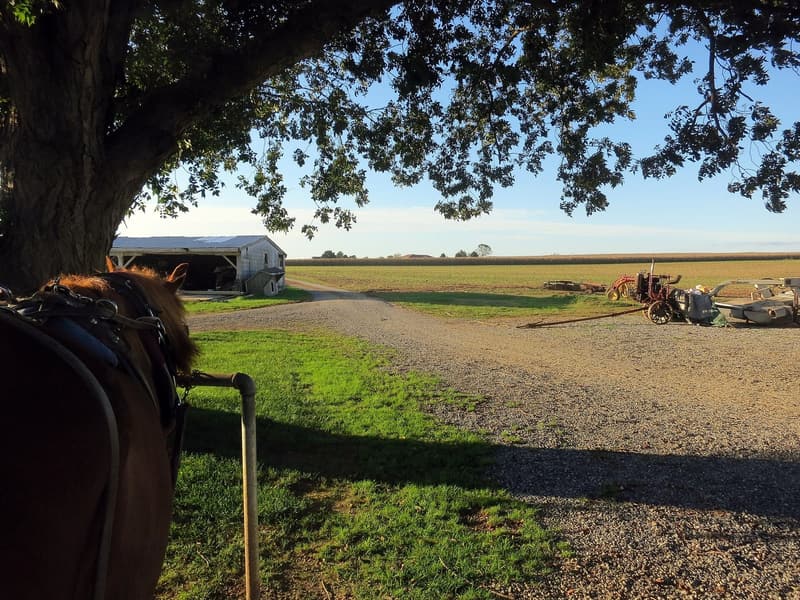
Representative photo · Photo: Daniel Lobo / Wikimedia Commons, CC0
Public health experts say building long-term human connections is essential to curbing measles outbreaks in under-vaccinated rural communities.
As a measles outbreak continues to impact several states, public health experts are highlighting the vital role of community-based relationships in managing the crisis. For many, these experts represent a bridge between modern medical interventions and isolated populations that have historically been difficult for public health systems to reach.
Tristan Sharratt, a family nurse practitioner and public health researcher at Binghamton University, emphasizes that effective outreach cannot happen overnight. Sharratt, who serves an Amish community in central New York, notes that he became a trusted messenger only after spending significant time building rapport. He explains that trust-building in these communities often requires months or years of consistent, respectful engagement rather than sudden, directive interventions.
The role of experts
These trusted messengers are often people already embedded in the daily lives of community members, such as neighbors, midwives, or local business owners. Sharratt suggests that simple, informal interactions—like purchasing produce from a farm stand or working alongside community members on a construction site—create opportunities for dialogue. This approach allows health professionals to address concerns about vaccinations and modern medicine in a way that respects the cultural values of the Amish, including the concept of Gelassenheit, or living according to God's will.
Recent years have seen an increase in challenges, as anti-vaccine misinformation has begun to penetrate these communities. Groups such as Children's Health Defense have actively targeted Plain Anabaptist populations with materials that complicate public health efforts. Sharratt argues that the current outbreak, which has resulted in fatalities across Pennsylvania, Wisconsin, New York, and Virginia, serves as a stark reminder of the consequences of long-term under-investment in rural public health infrastructure.
Building long-term human connections is the most effective way to address public health crises in rural communities.
Addressing these gaps requires a move away from top-down strategies toward more localized, data-driven approaches. While some local health departments have successfully maintained relationships with Amish communities for decades, many others lack basic information regarding population size and vaccination rates. Sharratt remains optimistic, however, noting that once a community understands the value of an intervention, the potential for widespread adoption is high due to the strong, interconnected nature of Amish society.
Why it matters
The current measles crisis highlights a critical need for sustained investment in rural public health infrastructure. By prioritizing human connection over brief interventions, authorities can better serve under-vaccinated populations and prevent future outbreaks, a strategy that remains relevant for rural health initiatives globally.
Sources
More like this
Children in Gaza Struggle to Access Life-Saving Insulin Amid Ongoing Conflict
Man rescued from house fire in Rochdale hospitalised

Chennai Citizens Protest Against Animal Birth Control Centre Mismanagement