ANC Fights to Keep Control of South Africa Key Cities After Election Setback
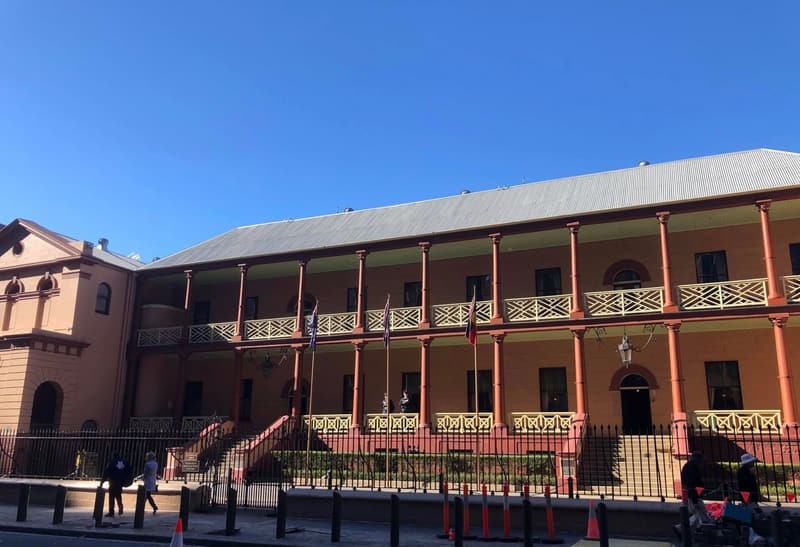
Representative photo · Photo: South African Tourism / Wikimedia Commons, CC BY 2.0
South Africa's governing ANC is scrambling to form local government coalitions following its worst municipal election result since 1994.
The political landscape of South Africa is shifting as the African National Congress faces a race against time to secure power-sharing agreements across key urban centers. Following a historic drop in support during recent local elections, the party that has governed the nation for over thirty years is navigating complex negotiations before the upcoming deadline at the end of November. While many search online for terms like anc south africa, the core political reality is that the ruling party must decide how to govern without an outright majority in most municipalities.
During the recent polls, the ANC experienced its most challenging electoral outcome since the transition to democracy in 1994. Securing a majority in only one of the country's nine provinces, Limpopo, the party retained the highest overall share of the vote at thirty-one percent, which is a significant decline from forty-six percent in the previous local vote. In contrast, the pro-business Democratic Alliance achieved strong results in the economic hub of Gauteng, including Johannesburg and Pretoria, while retaining its traditional stronghold in Cape Town. Meanwhile, the left-leaning uMkhonto weSizwe Party, led by former President Jacob Zuma, secured ten percent of the vote nationally and emerged as the largest political force in KwaZulu-Natal.
The ANC is hesitant to replicate its national power-sharing arrangement with the DA at the municipal level.
At the national level, the ANC has been governing through a cooperative arrangement known as the Government of National Unity alongside the Democratic Alliance and several smaller parties after losing its parliamentary majority in 2024. Despite this national partnership, internal opposition within the ANC has complicated potential local alignments. Reports from state broadcaster SABC indicate that leadership views a municipal arrangement with the DA as a last resort, with internal party meetings overwhelmingly rejecting nationwide local cooperation. Instead, the ANC has engaged smaller factions, such as ActionSA in Gauteng, to build coalitions.
Local Coalition Challenges
Political analysts suggest that asymmetrical coalitions could emerge, where parties collaborate in certain regions while acting as opposition forces in others. Political expert Andre Duvenhage noted to the BBC that such varied local arrangements are entirely possible given the fractured results. As deadlines approach, both major parties continue discussions with smaller political entities to establish functional municipal councils before local governance timelines expire.
Why it matters
The local government deadlock directly impacts service delivery and municipal administration across South Africa's most productive economic zones. The ANC's reluctance to mirror its national coalition with the DA at the local level signals ongoing political strain within the central government and shapes how cities from Johannesburg to Cape Town will be managed.
Sources
More like this
Trump Turns White House Press Conference Into Succession Audition
Republican Senator Blocks Trump Cyber Nominee Over January 6 Remarks

Rahul Gandhi Supports Strong India-Israel Ties Amid Gaza Conflict