
Inquest examines deaths of four babies after free and home births in NSW
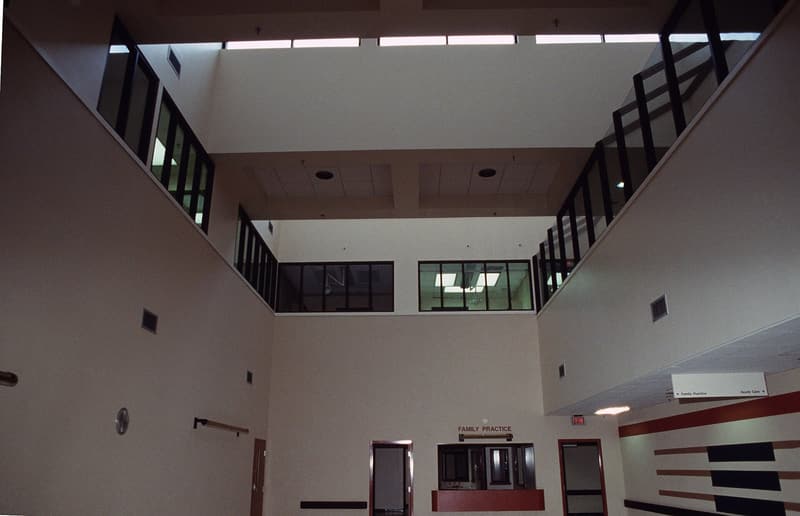
Representative photo · Photo: Chris Olszewski / Wikimedia Commons, CC BY-SA 4.0
A coronial inquest in Lismore is investigating the deaths of four infants, suggesting that routine medical checks could have potentially saved their lives.
A coronial inquest currently underway in Lismore is examining the tragic deaths of four infants in the Northern Rivers region of New South Wales, Australia, between 2022 and 2024. The court is investigating cases involving three free births and one home birth, with experts suggesting that routine medical screening and professional follow-up could have significantly altered the outcomes for these babies. The inquiry into the death of each baby NSW involved highlights the critical importance of clinical oversight during pregnancy and delivery.
Medical oversight and missed diagnoses
The inquest heard that mothers often opted for free or home births due to a lack of trust in the clinical system, previous traumatic experiences, or a perceived lack of available services. In the case of Baby DH, who died eight hours after a free birth, expert neonatologist Associate Professor Nicholas Evans testified that the infant’s complex heart abnormalities would have been readily detectable via a routine pregnancy scan. Paediatric cardiologist Dr. Paul Brooks noted that such a diagnosis would have necessitated birth at a major hospital equipped for cardiac surgery, concluding that the site of the birth meant the infant did not have a chance.
Regarding Baby D, who was part of an undiagnosed twin pregnancy, experts agreed that the root cause of the tragedy was the lack of prenatal detection. Had the twins been identified at 18 weeks, the mother would have received close monitoring, which might have prevented the complications that led to the infant's death. Similarly, the death of Baby R was linked to severe post-maturity after a birth at 43 weeks. The inquest heard that the mother relied on an unreliable conception-based due date provided by a birth keeper rather than standard clinical guidelines, which advise induction or a caesarean section by 42 weeks to avoid placental aging risks.
Routine medical checks and professional follow-up might have saved the lives of four babies in NSW.
In the case of Baby B, the mother declined standard ultrasounds and testing for group B streptococcus, despite repeated warnings from midwives regarding the risks of home birth. The inquest continues to examine the specific circumstances and the role of non-medical birth attendants in these cases.
Why it matters
This inquest highlights the significant risks associated with bypassing standard medical care during pregnancy and childbirth. It underscores the life-saving potential of routine prenatal screening and the necessity of hospital-based interventions for high-risk pregnancies, impacting how families and health providers approach birth safety.
Sources
More like this

ICO Investigates NHS Patient Record Sharing After Sensitive Therapy Notes Exposed

Fish and eggs al desko? The dos and don'ts of the lunch break
Measles Makeback in the US as Vaccination Rates Fall