Fitch Ratings Affirms Nepal at BB- for Third Consecutive Year
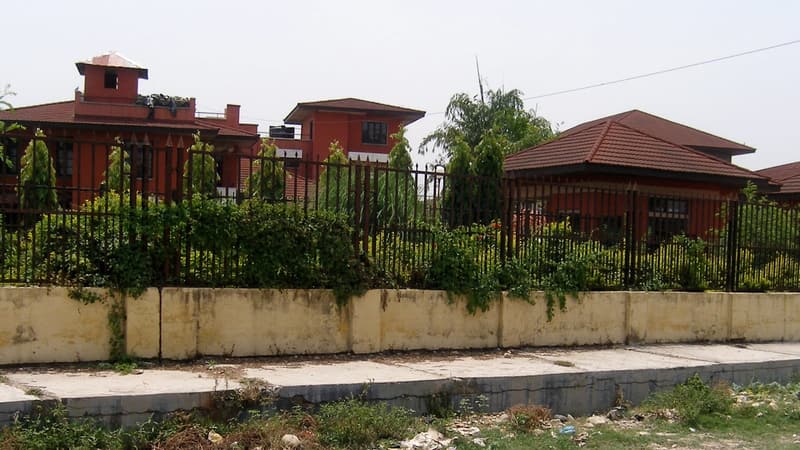
Representative photo · Photo: Steffen Gauger / Wikimedia Commons, CC BY-SA 3.0
Nepal retains its BB- sovereign credit rating from Fitch Ratings for the third straight year, backed by strong reserves and low debt.
International credit rating agency Fitch Ratings has reaffirmed Nepal's sovereign credit rating at BB-, marking the third consecutive year the nation has maintained this classification since receiving its inaugural evaluation in November 2024. The latest assessment highlights several economic strengths that support the country's credit profile.
According to the rating report published on Thursday, the decision is underpinned by minimal government and external debt, predominantly secured on highly concessional terms. The agency also pointed to robust external liquidity, solid access to multilateral financing, and strong remittance inflows as key stabilizing factors. Furthermore, Nepal demonstrates solid medium-term growth prospects, heavily anchored by the expanding hydropower sector.
Nepal retains its BB- sovereign credit rating for the third consecutive year amid solid external liquidity.
Despite these positive indicators, Fitch noted that several structural challenges continue to constrain the credit profile. The nation's underdeveloped economy, lower per capita income, weaker governance indicators, and high vulnerability to natural disasters and external shocks remain notable hurdles.
Growth Projections and Risks
Economic growth is projected to slow to 3.4 percent for the current fiscal year 2026-27, which concludes in mid-July. This represents a decrease from the 3.9 percent growth recorded in the preceding fiscal year, largely driven by the severe impacts of the devastating floods that occurred on August 26. However, economic activity is anticipated to experience a rebound, with growth forecasted to reach 5.2 percent in the 2027-28 fiscal year. This recovery is expected to gain momentum from accelerated reconstruction efforts alongside the restoration of damaged hydropower facilities and electricity-grid infrastructure.
Fitch cautioned that potential delays in reconstruction timelines or a prolonged conflict involving Iran could adversely affect future growth. Such disruptions could negatively impact energy and fertilizer imports, heighten supply chain risks, and reduce tourism receipts. Over the medium term, economic growth is generally expected to hover around 5 percent, maintained by ongoing investments in electricity transmission, improved public capital expenditure execution, and growth in service exports.
Why it matters
Maintaining the BB- rating reflects international recognition of fiscal stability factors such as low public debt and strong foreign reserves, which helps sustain confidence from multilateral financial institutions. For regional observers and financial stakeholders, the projected economic slowdown and subsequent recovery highlight the ongoing financial risks posed by extreme weather events and infrastructure vulnerabilities in South Asia.
Sources
More like this

Cider makers warn that rising costs threaten traditional UK orchards
Eastern Railway to Regulate Kolkata Circular Railway Services for Chhath Puja 2026
Chennai-Bound IndiGo Flight Receives Bomb Threat, Cleared After Security Check