Janakpur-Ayodhya Train Link Discussed During Nepal PM Visit
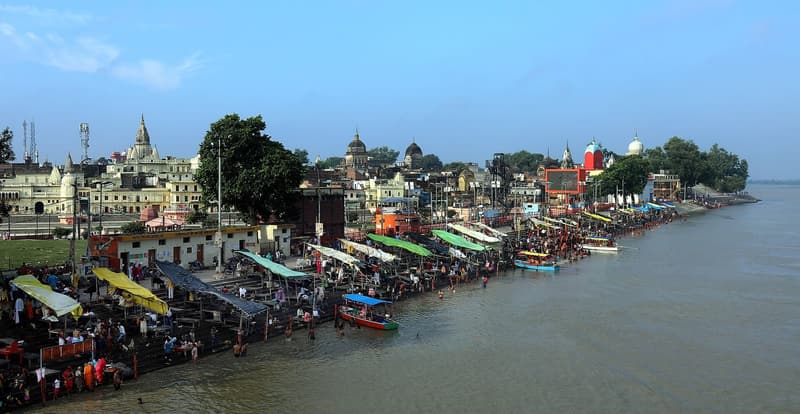
Representative photo · Photo: Prashant Kharote / Wikimedia Commons, CC BY 4.0
A proposed railway connection between Janakpur and Ayodhya is being explored to strengthen cultural and diplomatic ties between India and Nepal.
A new railway link connecting two of the most revered destinations associated with the Ramayana could soon add a fresh dimension to India-Nepal relations. The potential development of a Janakpur Ayodhya train service has emerged as a significant topic of discussion during the ongoing diplomatic engagements between the two nations. This infrastructure project aims to bridge the geographical and cultural distance between these historic cities, which hold deep spiritual significance for millions of people across the region.
Connecting Janakpur and Ayodhya
The initiative to establish a direct rail connection represents a strategic effort to enhance connectivity between Nepal and India. While travelers currently rely on road networks or bus services to navigate the route, a dedicated train line is expected to streamline travel and foster greater people-to-people contact. By linking these iconic sites, the governments are looking to facilitate easier access for pilgrims and tourists, potentially transforming the way visitors travel between the two countries.
A new railway link between Janakpur and Ayodhya could strengthen cultural and diplomatic ties between India and Nepal.
As discussions continue, stakeholders are evaluating the logistical requirements and the long-term benefits of integrating this rail link into the existing transport infrastructure. The project is seen as a tangible step toward deepening the bilateral relationship, focusing on shared heritage and modern connectivity solutions. The proposal reflects a broader commitment to improving regional infrastructure, which remains a priority for both New Delhi and Kathmandu as they explore new avenues for cooperation.
Why it matters
This proposed railway link is significant because it directly connects two major spiritual landmarks, potentially increasing tourism and religious pilgrimage between India and Nepal. For residents and travelers in South Asia, the project signifies a major improvement in cross-border accessibility, fostering closer cultural ties and economic interaction between the two neighboring nations.
Sources
More like this

Alan Milburn Review Recommends Replacing Pip for Young People

Sri Lanka: Rights Groups Sound Alarm Over Proposed Anti-Terror Law

New Proposals Offer a Second Chance for Youth Offenders in England and Wales