France awaits verdict in trial six years after police beat Michel Zecler
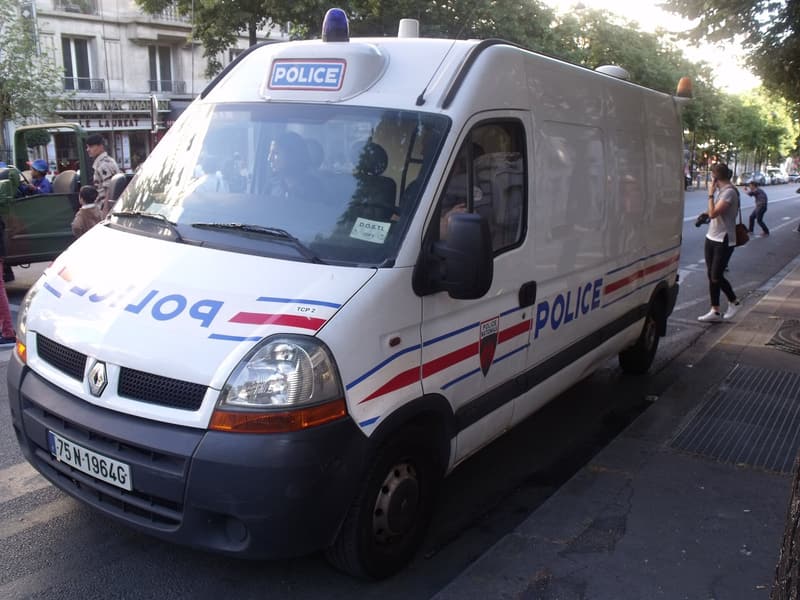
Representative photo · Photo: Arnaud Lambert / Wikimedia Commons, CC BY-SA 4.0
A French court prepares to deliver its verdict six years after three police officers assaulted Black music producer Michel Zecler in Paris.
Six years after a high-profile incident in Paris, a French court is set to deliver its verdict in the trial of three police officers accused of assaulting Black music producer Michel Zecler. The case brought widespread attention to the demographics of the country and the treatment of minorities, frequently sparking discussions regarding the broader realities faced by the france black community and people of color. On November 21, 2020, surveillance cameras captured officers Aurelien Lapersonne, Pierre Plantier, and Philippe Tondeux entering Zecler's studio, where they pushed and beat him until other musicians intervened. Prosecutors allege the trio struck the producer 29 times in four minutes, followed by an additional six strikes to his face after he was already handcuffed.
During the attack, the officers reportedly made multiple racist remarks. All three subsequently signed a falsified police report claiming that Zecler had assaulted them, an account directly contradicted by the surveillance footage. Officer Lapersonne, who initiated the identity check and submitted the false report, admitted to the presiding judge that he deliberately omitted the blows from his statement out of fear. Legal experts note that the falsification of official documents underscores systemic issues within law enforcement agencies.
Surveillance footage exposed a violent assault and a subsequent cover-up by French police officers.
Rim-Sarah Alouane, a legal scholar at the University of Toulouse Capitole, highlighted that the availability of video evidence was crucial in preventing the officers from evading accountability. The prosecution has requested severe penalties, including a six-year prison sentence without parole for Lapersonne, five years for the group's leader Tondeux, and four years for Plantier, alongside a permanent ban from policing for all three defendants. A representative for the prosecutor's office emphasized that the case involves severe crimes, racial slurs, and a determination to conceal the wrongdoing.
The trial unfolds as France's Senate considers a controversial legislative proposal that would presume police officers acted in self-defence when using firearms, placing the burden of proof on complainants. Critics argue that such measures could further entrench impunity and hinder future investigations into excessive use of force.
Why it matters
The verdict in this landmark trial holds profound implications for institutional accountability and public trust in law enforcement agencies across France. By testing the judicial system's response to alleged systemic discrimination and falsified official reports, the case serves as a critical test for human rights protections and the oversight of police conduct.
Sources
More like this
Susan Smith Denied Parole 32 Years After Drowning Her Two Sons
ICJ Myanmar Ruling Gives New Relevance to Genocide Convention

Trump, Putin and Xi release 'peace declaration' after historic Trump Putin Xi meeting