Understanding the Roots of the New French Malaise
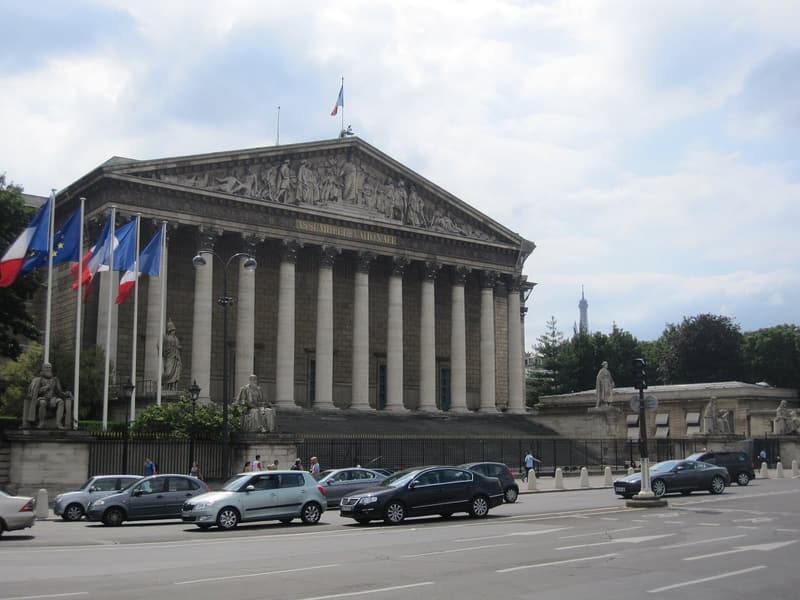
Representative photo · Photo: DiscoA340 / Wikimedia Commons, CC BY-SA 4.0
Recent student and worker demonstrations in France highlight a deep-seated societal crisis, fifty years after the term was first coined.
Half a century after Alain Peyrefitte published a book examining the societal and institutional blockages in France, the French malaise continues to manifest in new ways. While historical discussions focused on top-down bureaucratic control and a lack of trust, today the country faces frequent student demonstrations, worker strikes, and civil unrest that occasionally turn violent.
Following attacks on state symbols, town halls, and local businesses, President Emmanuel Macron warned that these actions sought to dismantle national institutions. Observers frequently draw parallels between current demonstrations and the historical student-led unrest of May 1968. However, experts note key differences: the 1968 movement largely demanded expanded freedoms among privileged youth, whereas contemporary protesters voice concerns over dignity, equality, and marginalization from economic prosperity.
Exploring the French Malaise
A more recent parallel can be found in the 2005 urban disturbances across Parisian suburbs. Those events exposed stark geographical and social divisions separating prosperous urban centres from underprivileged, racialized peripheries. Analysts point to policing methods as a contributing factor, noting that security forces often prioritize state defence over citizen protection and exhibit discriminatory practices between different communities.
Political scientists suggest French society has fractured into isolated segments. This fragmentation stems largely from an increasingly detached elite, alongside the erosion of traditional socializing institutions like public schooling and mandatory service. Meanwhile, public discourse has increasingly targeted immigrant populations, fostering institutionalized islamophobia and narratives of demographic replacement despite France hosting a smaller immigrant proportion than several regional neighbors.
Contemporary social unrest in France reveals a profound national crisis rooted in institutional alienation and systemic inequality.
Why it matters
The ongoing social friction touches on core questions of citizenship, human dignity, and social justice within a major European nation. As the state struggles to bridge the gap between integration rhetoric and the lived realities of marginalized citizens, the resulting instability affects public policy and social cohesion across Western Europe.
Sources
More like this
Transport officials investigate after aboriginal nsw family left on highway

Ukraine accuses Russia of targeting rescue operation after strike kills 72

Stories of survival and pain among children in southern Lebanon