Anthropic Claude Fable 5.2 builds custom gadget blueprints
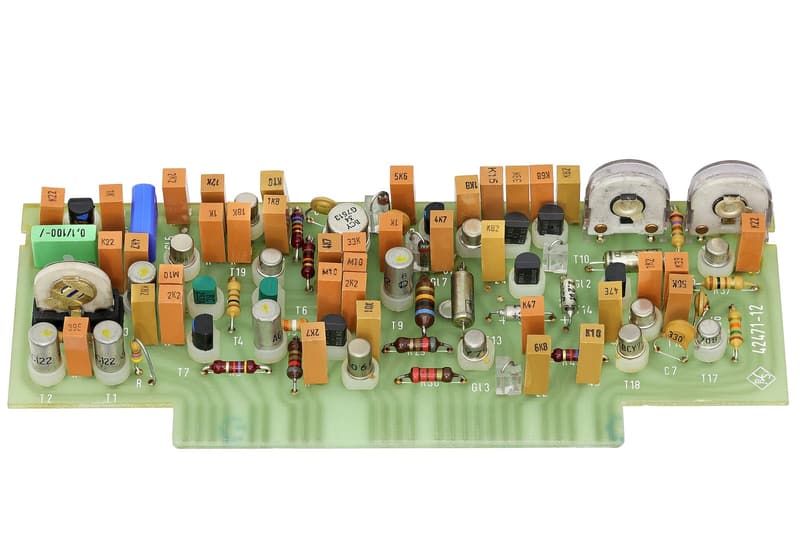
Representative photo · Photo: Mister rf / Wikimedia Commons, CC BY-SA 4.0
Anthropic reveals that Claude designed working hardware prototypes, though certification and overall process consistency remain unproven.
This is news, not investment advice. NexVani Media is not a SEBI-registered investment adviser and does not recommend buying or selling any security. Do your own research or consult a registered adviser before investing.
In a November research post, AI developer Anthropic detailed how its artificial intelligence system generated complete specifications for three working hardware prototypes. The experiments utilized anthropic claude fable 5 to transform brief text prompts into functional designs for a speakerphone, a voice-assistant hub, and a handheld virtual pet. Human engineers from Diode Computers subsequently assembled and tested the physical devices.
For the speakerphone project, the AI produced circuit schematics, routed copper connections, placed components on a printed circuit board, and created a 3D-printable outer case alongside software and parts lists. Similar workflows guided the creation of the other two devices. Because the system lacked physical connections to machinery or test equipment, human workers handled the actual assembly and manufacturing steps.
During the design phase, the software identified potential physical flaws. It detected that the speakerphone mute switch would collide with an interior wall during insertion, prompting the creation of an updated assembly step that tilted the board into place. For the voice-assistant hub, the model adjusted the enclosure geometry to shorten microphone ports and wrote firmware that dynamically dimmed LEDs during high-volume audio playback to prevent electrical overloads.
Diode manufactured all circuit boards directly from the generated files without making intermediate adjustments, and the resulting hardware operated properly without requiring circuitry repairs. However, Anthropic clarified that these early prototypes have not undergone thermal testing, antenna tuning, electrical validation, or formal certification. Furthermore, the disclosure did not provide a success rate for repeated design attempts, leaving questions about how dependably the process can produce usable electronics.
Anthropic's AI designed working hardware prototypes, but commercial readiness requires substantial engineering work.
Next steps for hardware design
Looking ahead, Anthropic plans to expand the capabilities of its technology to handle faster, denser, and more complex circuit boards. Future iterations aim to incorporate simulation checks and learning mechanisms based on physical measurements taken from finished devices.
Why it matters
The development demonstrates the expanding capability of artificial intelligence to assist in hardware engineering by handling complex circuit routing and casing designs. For the broader technology sector, bridging the gap between automated software blueprints and mass-manufactured, certified products remains a critical hurdle that requires significant human validation and testing.
Sources
More like this

Google AI agents audit Signal library code with millions of Lean proofs

Uniswap Freezes $300,000 in Stranded Fees After X Layer Issue
Major Websites Hit by Injection Hack Affecting 178 Brands