Politics
Unrest Erupts in Gopalganj Over Potential Return of Hasina to Bangladesh
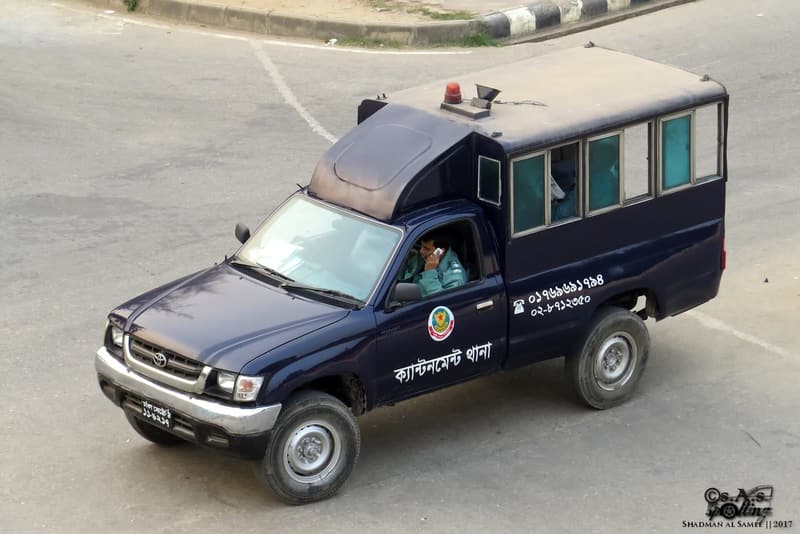
Representative photo · Photo: Shadman Samee from Dhaka, Bangladesh / Wikimedia Commons, CC BY-SA 2.0
Representative photo · Photo: Shadman Samee from Dhaka, Bangladesh / Wikimedia Commons, CC BY-SA 2.0
Supporters of the Awami League have launched violent protests in Gopalganj, demanding the return of Sheikh Hasina from India.
Violent demonstrations have broken out in Gopalganj, the hometown of Sheikh Hasina, as supporters of her political organization, the Awami League, took to the streets to demand her return to Bangladesh. The situation has intensified significantly, with reports indicating that protesters have targeted local police installations as part of their unrest.
Many citizens are currently searching for information regarding Hasina Bangladesh and her current whereabouts following the recent political shifts in the region. The unrest in Gopalganj marks a volatile development, as loyalists of the former leader express their dissatisfaction and call for her immediate homecoming from India, where she is currently located. The scope of the protests has forced local authorities to take decisive action, including the deployment of additional security personnel to manage the escalating violence and restore order in the area.
Supporters of Sheikh Hasina have launched violent protests in Gopalganj demanding her return from India.
The ongoing demonstrations highlight the deep-seated political divisions currently present within the country. While the Awami League remains a central focus of these protests, the authorities are struggling to contain the aggression directed toward state infrastructure. The situation remains fluid as security forces attempt to stabilize the region amidst the demands for the return of the former leader. The unrest serves as a clear indicator of the challenges facing the nation as it navigates the current period of political uncertainty.
The violent protests in Gopalganj represent a significant escalation in the political instability currently affecting Bangladesh. The targeting of police infrastructure by supporters of the Awami League poses a direct challenge to local law enforcement and national security.
For readers in India and South Asia, these developments are particularly significant due to the regional implications of political shifts in Bangladesh. The demand for the return of a leader currently based in India highlights the interconnected nature of regional politics and the potential for cross-border tensions as the situation continues to evolve.