Business
From Cocaine and Crime to Luxury: How Miami Got Its Name and River Transformed
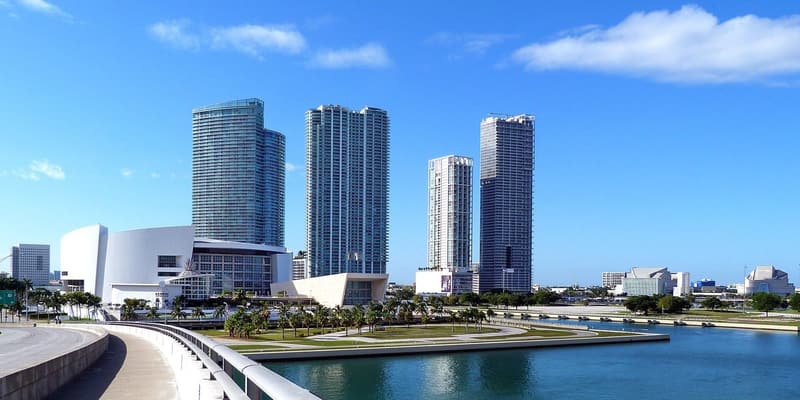
Representative photo · Photo: eismannhans / Wikimedia Commons, CC0
Representative photo · Photo: eismannhans / Wikimedia Commons, CC0
The Miami River has transformed from a crime-ridden cocaine trade artery and grimy waterway into a thriving luxury hotspot.
The history of South Florida features many transformations, but few are as striking as the evolution of the local waterfront. Years ago, the waterway was regarded as a grimy working channel. At its worst, it served as a dangerous, crime-ridden artery heavily associated with the South Florida cocaine trade. Observers like George have long tracked the shift in the area, noting when the initial signs of change began to appear in the local landscape.
For decades, the surrounding area struggled with illicit activities and industrial grime. The river was far from a destination for leisure or high-end development. Instead, it was defined by criminal enterprises and commercial shipping traffic. As the decades progressed, local observers noted a distinct turning point in how the district was perceived and utilized by residents and developers alike.
The Miami River shifted from a grimy cocaine trade artery into a major luxury hotspot.
Today, the corridor looks vastly different from its troubled past. The transition from a hub of criminal operations to a sought-after destination highlights the broader economic and cultural shifts in the region. Properties along the banks have attracted new investments, completely altering the urban fabric and leaving behind the difficult eras of the past.
Back then, the Miami River was known at best a grimy working waterway, and at worst, a crime-ridden artery of South Florida’s cocaine trade. This complete turnaround affects local real estate development, tourism, and community safety, demonstrating how urban spaces can overcome historical hardships to reinvent their identity.