Hyderabad delivery workers face tight deadlines in new ILO report
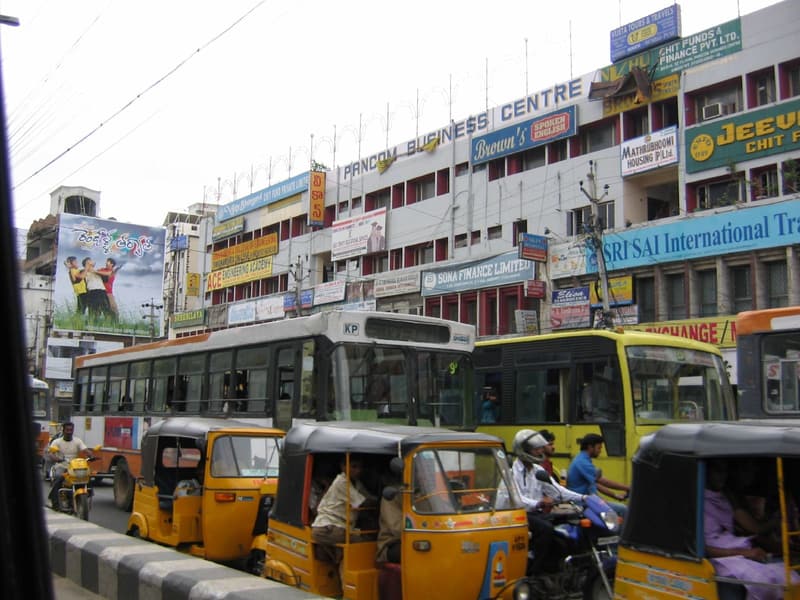
Representative photo · Photo: melgupta / Wikimedia Commons, CC BY-SA 2.0
A new ILO study reveals that delivery workers in Hyderabad face intense pressure from short delivery windows and opaque platform algorithms.
A recent study conducted by the International Labour Organisation (ILO) sheds light on the daily challenges faced by gig workers in India, including those in Hyderabad. The report, titled “Building an Understanding of Access to Grievance-Handling and Labour Dispute Resolution Mechanisms for Platform Workers in India,” highlights how delivery personnel are often held to seven or eight-minute deadlines for trips that navigation apps estimate at 10 minutes or more. When these tight schedules are missed, workers frequently find no human representative available at the platform to address their concerns.
Delivery workers in Hyderabad face rigid time targets and limited access to human-led grievance resolution systems.
Understanding the Hyderabad report
This Hyderabad report, published on October 18, examines the experiences of ride-hailing, delivery, and home-service workers across six major Indian cities. Findings indicate that automated grievance systems are often too rigid to handle complex issues that require individual assessment. Consequently, many workers rely on informal support networks, such as WhatsApp groups and colleagues, to decipher deductions, penalties, and earnings, as platforms often fail to provide clear explanations.
Delivery workers noted that performance scores are negatively impacted by delays caused by customers who are unavailable or unresponsive. Furthermore, workers described the allocation of jobs as a “black box.” Some riders reported waiting over an hour without an assignment while others received continuous trips. In extreme cases, workers have reported working up to 48 hours during festive periods in hopes of securing incentives, despite having no transparency regarding how assignments are distributed.
Home-service workers also face significant hurdles, including distant job allocations and platforms that restrict the ability to cancel bookings, even during emergencies. The ILO has recommended that platforms implement human oversight for account deactivation, establish effective appeal mechanisms, and provide advance notice regarding payment structure changes. Additionally, the organization suggests that algorithms should be adjusted to account for real-world factors like traffic, severe weather, and worker safety.
Why it matters
These findings are particularly significant as Telangana prepares to implement the Platform Based Gig Workers Act, 2026. The legislation aims to provide welfare measures and formal grievance redressal for gig workers. The ILO study suggests that for this act to be effective, the state must ensure that workers have access to responsive grievance mechanisms that operate independently of the internal complaint channels managed by the platforms themselves.
Sources
More like this
British Library Security Outsourcing and Reading Room Plan Sparks Outrage

British retail sales rise as households stockpile emergency supplies

Retail Sales Rise as Public Responds to Tinned Food and UHT Milk Campaign