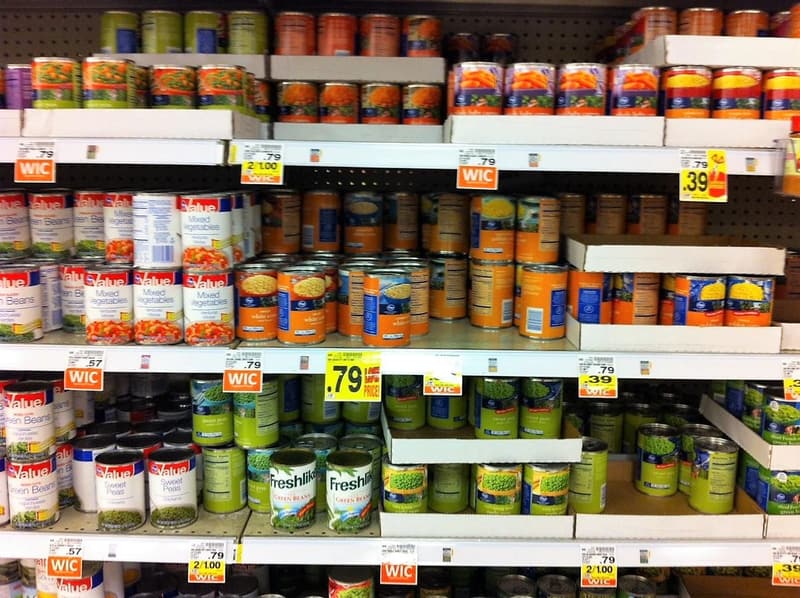
Retail Sales Rise as Public Responds to Tinned Food and UHT Milk Campaign
Representative photo · Photo: ParentingPatch / Wikimedia Commons, CC BY-SA 3.0
Official data shows a 0.7% increase in retail sales volume during October, as households stock up on essentials following the government's new emergency preparedness initiative.
Retail sales experienced a notable uptick in October as consumers adjusted their shopping habits in response to the government's new "Be Ready" emergency preparedness campaign. Official figures indicate that sales volumes rose by 0.7% during the month, a shift largely attributed to households purchasing long-life food items, including tinned food and UHT milk. The campaign was designed to encourage citizens to prepare for potential disruptions to essential services caused by factors such as severe weather events or cyberattacks.
Increased Demand for Tinned Food and UHT Milk
The rise in retail activity reflects a deliberate effort by the public to secure supplies that have a long shelf life. While the increase in sales is clear, recent research released last week clarifies that this behavior is distinct from panic buying. The data suggests that while households are actively stockpiling essential supplies to ensure they are prepared for emergencies, they are doing so in a measured manner rather than through impulsive, large-scale purchasing.
Retail sales grew by 0.7% in October as households stocked up on long-life essentials for emergency preparedness.
The government initiative emphasizes the importance of readiness in an unpredictable climate. By focusing on products like tinned goods and UHT milk, consumers are aligning their grocery lists with recommendations for maintaining a supply of non-perishable items that can sustain a household during periods where standard services might be unavailable. The trend highlights a shift in consumer behavior toward long-term utility, driven by official guidance on safety and resilience.
Why it matters
This trend is significant as it demonstrates how government public safety messaging can directly influence national retail patterns. By encouraging citizens to build personal reserves, the state has effectively shifted consumer demand toward durable food items.
For readers in India and South Asia, this serves as a case study on how emergency preparedness campaigns can impact local supply chains and retail markets. When consumers prioritize long-life goods, retailers must often adjust their inventory management to meet the changing demand for non-perishable staples.
Sources
More like this
Survey reveals major increase in cost of living across islands
Vulnerable Housing Marketed as Secure Investments Despite Mouldy Conditions
NextDC to Avoid Residential Sites After Melbourne Data Centre Backlash