India Biennale 2026: New Public-Private Model for Contemporary Art
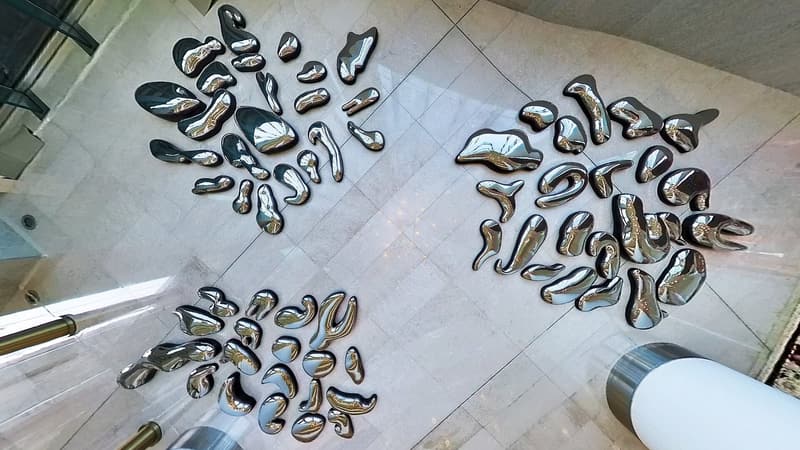
Representative photo · Photo: Fuzheado / Wikimedia Commons, CC0
The central government has announced a public-private partnership model for the upcoming India Biennale 2026 to enhance public engagement with contemporary art.
The central government has officially unveiled plans for the India Biennale 2026, marking a significant shift in how the country organizes large-scale cultural exhibitions. By adopting a public-private partnership model, the initiative aims to transform the landscape of contemporary art, making it more accessible and participatory for the general public.
India Biennale 2026 and the New Partnership Model
According to Gajendra Singh Shekhawat, the Union Minister, this collaborative approach is designed to foster a more inclusive environment for art enthusiasts and the wider community. The strategy moves away from traditional, state-led exhibition formats, opting instead for a framework that leverages private sector expertise alongside government oversight. This model is expected to streamline the execution of the India Biennale while ensuring that the event remains a flagship project for the nation's cultural sector.
The India Biennale 2026 will utilize a public-private partnership model to increase public participation in contemporary art.
As planning for the event progresses, the focus remains on creating a platform that bridges the gap between high-level contemporary art and the broader public. By involving private stakeholders, the government intends to bring greater innovation and resources to the biennale, potentially setting a new standard for how major art events are conducted across the country. The shift reflects a broader policy goal of encouraging non-governmental involvement in cultural promotion, ensuring that major exhibitions are not only prestigious but also deeply integrated into the public consciousness.
Why it matters
The implementation of a public-private partnership for the India Biennale 2026 is a significant development for the cultural sector in India. By diversifying the management and funding structure of such a major event, the government is signaling a move toward more sustainable and dynamic cultural administration.
For residents and art lovers in India and the surrounding South Asian region, this change promises a more interactive and accessible experience. It marks a transition toward a model where art is treated as a shared public good, supported by both the state and private entities, potentially increasing the frequency and quality of large-scale cultural exhibitions in the coming years.
Sources
More like this

US police departments issue warnings after the release of GTA VI
Gérard Depardieu and Michel Houellebecq Investigated Over Sexual Allegations

Macaulay Culkin to return for a new Home Alone sequel