India's cash holdings double to ₹42.55 lakh crore a decade after note ban
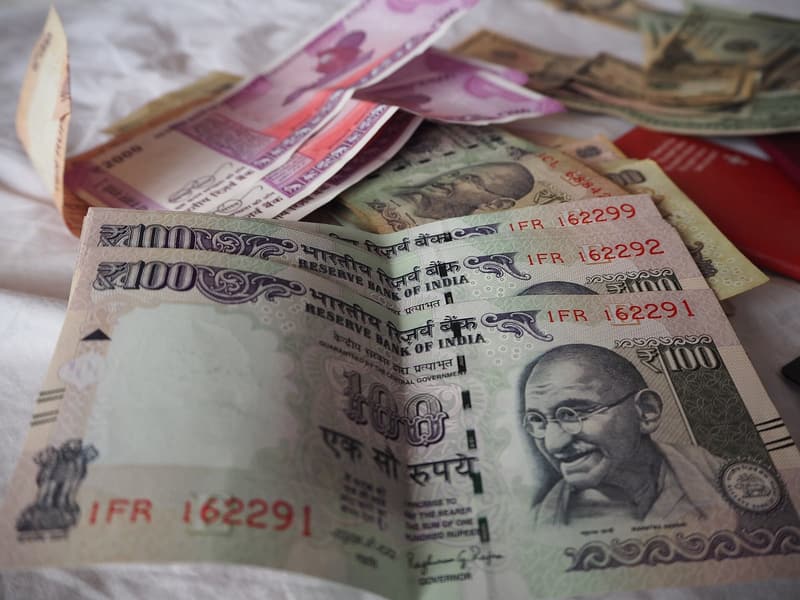
Representative photo · Photo: Monito - Money Transfer Comparison / Wikimedia Commons, CC BY 2.0
Ten years after demonetisation, currency with the public has risen to ₹42.55 lakh crore despite the rapid growth of digital payments.
Ten years after the federal government announced a surprise demonetisation of high-value currency, physical money holdings in the country have climbed significantly. As of October 15, 2026, currency with the public reached ₹42.55 lakh crore, representing an increase of nearly 137 percent compared to the ₹17.97 lakh crore recorded in November 2016. This upward trajectory has persisted despite the rapid expansion of digital transaction platforms and administrative efforts to foster a less-cash economy.
Prime Minister Narendra Modi had originally announced the demonetisation initiative at 8 pm on November 8, 2016, rendering existing ₹500 and ₹1,000 notes invalid starting midnight on November 9. Those two denominations made up roughly 86 percent of the total currency in circulation at the time. The abrupt withdrawal caused severe cash shortages across households, small shops, businesses, and offices, pushing total currency with the public down to ₹7.8 lakh crore by January 2017.
Originally framed as a measure to combat counterfeit currency, black money, and illicit financing while accelerating digital payments and formalisation, the policy did not permanently depress physical cash usage. In the years following the announcement, cash holdings steadily climbed due to the circulation of new ₹500 and ₹2,000 notes and enduring public preference for physical money. A particularly sharp accumulation occurred during 2020-21 amid stringent lockdowns implemented to manage the Covid-19 pandemic, when citizens hoarded cash for essential expenses like groceries and medical bills.
Currency-to-GDP ratio trends
The absolute rise in currency must be viewed alongside overall economic growth. The currency-to-GDP ratio shifted from 8.7 percent in 2016-17 to a peak of 14.4 percent in 2020-21 before gradually easing to 11.7 percent in 2024-25 and moving to 12.3 percent in 2025-26. Throughout calendar year 2026 up to October 16, cash with the public expanded by ₹5.26 lakh crore, or 14.1 percent. India's currency-to-GDP ratio remains distinct when compared globally, standing higher than the US at 7.3 percent and China at 10.2 percent, though lower than Japan's figure of over 16 percent.
Ten years after demonetisation, physical currency remains a central component of how Indians hold and utilise money.
Why it matters
The data demonstrates that the rise of digital payment ecosystems has not displaced physical currency from the economy. A decade after the abrupt note ban, physical money continues to play a major role in everyday financial transactions across the country, affecting how both households and businesses manage liquidity.
Sources
More like this
The rise of the nostalgia economy: Why adults are buying toys

Bank of England Deputy Warns of Low-Gear Economy Impacting Young Job Seekers

EU Manufacturers May Stop Competing With China by 2030, Warns Official