India Bypasses Procurement Rules to Acquire Israeli Phone-Hacking Technology
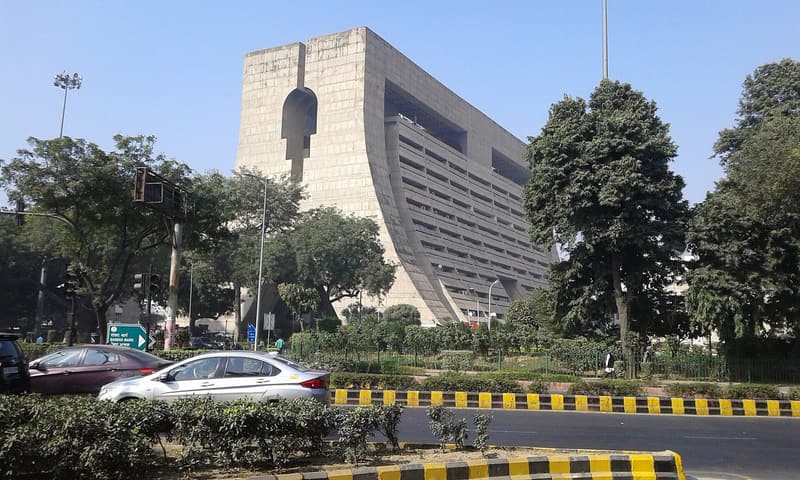
Representative photo · Photo: Sidheeq / Wikimedia Commons, CC BY-SA 4.0
The Indian government has waived 'Make in India' rules to purchase advanced surveillance tools from Israeli firm Cellebrite for state agencies.
The Indian government has moved to strengthen its digital intelligence capabilities, raising questions about the state of India Israel relations and the oversight of surveillance technologies. An investigation by the Internet Freedom Foundation (IFF) revealed that Home Minister Amit Shah signed off on a one-year waiver of 'Make in India' procurement rules, allowing government agencies to bypass local manufacturing preferences to acquire foreign forensic technology. This exemption cleared the path for the purchase of at least 422 items, including specialized tools from the Israeli company Cellebrite.
While the 'Make in India' policy generally mandates that government contracts prioritize domestic manufacturers, the rules allow for ministerial exemptions. Documents reviewed by the IFF indicate that the Ministry of Home Affairs approved these waivers to facilitate the acquisition of digital and multimedia forensic equipment. Among the items identified in the exemption list are Cellebrite’s Pathfinder and Inseyets software, alongside tools from other international firms such as Magnet, MSAB, and Oxygen Forensics. These technologies are designed for complex tasks, including dark-web monitoring, cryptocurrency investigations, and open-source intelligence gathering.
India has bypassed local procurement rules to acquire advanced Israeli phone-hacking technology for government forensic use.
India Israel defence deal and surveillance expansion
The procurement reach extends beyond the federal government. State administrations governed by the opposition Indian National Congress, including Karnataka, Keralam, and Himachal Pradesh, have also acquired similar phone-extraction and cloning tools. Technical specifications for these acquisitions, such as those sought by the Delhi Police for the National Cyber Forensic Laboratory, reveal a demand for software capable of bypassing passwords on major operating systems and extracting data from cloud services, messaging apps, and connected home devices like Amazon Alexa.
Legal experts and digital rights activists have expressed concern regarding the lack of legislative guardrails surrounding these capabilities. Vrinda Bhandari, a Supreme Court lawyer, noted that the expansion of these tools facilitates mass surveillance rather than targeted investigations, providing authorities with an increasingly intrusive view into individual lives. The use of such technology has already drawn scrutiny from activists who suspect these tools are being deployed against journalists and critics, though official responses from the Ministry of Home Affairs and relevant state departments remain pending.
Why it matters
The integration of these advanced forensic tools into Indian law enforcement signals a shift toward deeper, more intrusive surveillance capabilities. By accessing cloud-based data and login tokens, agencies can monitor a vast array of personal online activity, impacting the privacy of citizens across the country.
This development highlights a legal grey zone where surveillance technologies are deployed without clear, robust regulatory frameworks. For journalists, activists, and the general public, the potential for unauthorized data extraction from devices and cloud accounts represents a significant change in the landscape of digital privacy in South Asia.
Sources
More like this

Employers Told to Prepare for AI Amid Job Cuts and Fewer Hours Risks

From Pong to GTA VI: A Half-Century Journey Through Video Game History

Police Watchdog Warns of Facial Recognition Errors