WA Police Used Facial Recognition on 1.38 Million Faces in Trial
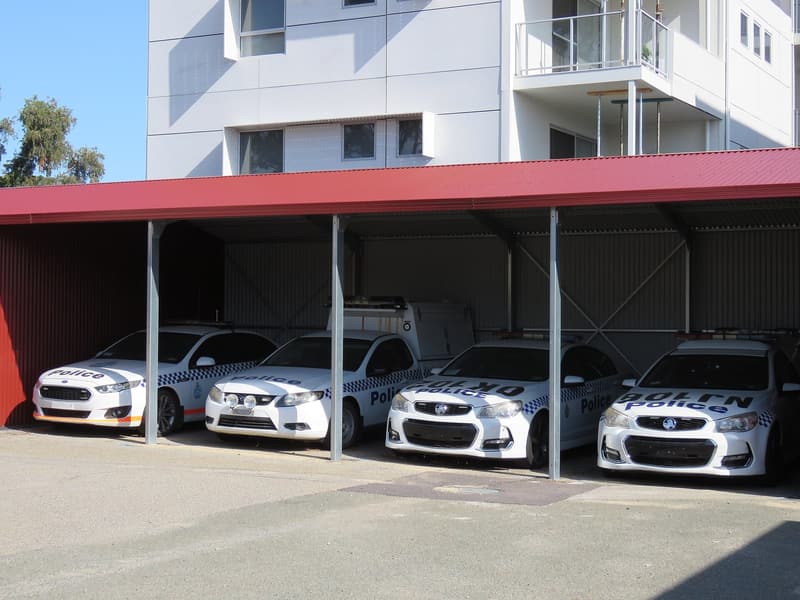
Representative photo · Photo: Calistemon / Wikimedia Commons, CC BY-SA 4.0
A five-month surveillance trial in Western Australia scanned nearly 1.4 million faces, resulting in 122 arrests and nine false alerts as privacy advocates raise concerns.
In Western Australia, police used real-time facial recognition technology to scan more than 1.3 million faces during a five-month trial, leading to 122 arrests and nine mistaken matches. The operation, which finished on Saturday, involved surveillance vans dispatched across 43 regional and metropolitan areas over 100 separate deployments.
According to authorities, the mobile cameras scanned 1,380,882 faces during the pilot. In addition to the arrests, the technology prompted officers to interact with 146 registered sex offenders and locate 10 individuals for welfare checks. Operations included three deployments at the Perth Royal Show, where 223,749 scans produced 15 alerts, three arrests, and seven interactions with registered sex offenders.
Facial recognition vans scanned over 1.3 million public faces, leading to 122 arrests during Western Australia's trial.
Methods police used and privacy debates
Under the trial framework, scanning cameras were mounted on or stationed near marked police vehicles. The system matched passersby in designated public zones against an alert list sourced from law enforcement databases. Police stated that images of individuals not matching the database were immediately pixelated in real time and erased without being stored.
WA Police Commissioner Col Blanch stated that the nine incorrect alerts represented an error rate of 0.00065 percent. Addressing the false matches, Blanch confirmed that officers approached each misidentified person to ask relevant questions, noting that no arrests or formal complaints stemmed from those encounters. Blanch acknowledged the technology was not perfect, but argued that officers investigated alerts in the same manner as they would if a member of the public reported suspicions.
Civil liberties advocates strongly criticised the official interpretation of the figures. Bill Rowlings, chief executive of Civil Liberties Australia, contended that the true error rate can only be determined once the 122 arrested individuals face court proceedings. Rowlings warned that the scans were conducted without reasonable suspicion. Prior to the rollout, the Office of the Information Commissioner WA warned of collective privacy harms, while experts highlighted historical algorithmic bias risks for marginalised populations and individuals with darker skin tones.
Why it matters WA Police have removed the surveillance vans from public service while conducting an internal evaluation into the technology's operational performance, regulatory safeguards, and community impacts. The outcome will influence how law enforcement agencies evaluate automated biometric surveillance against privacy rights and system accuracy.
Sources
More like this
Ukraine air raid alert app apparently hacked as false radiation threat issued
Parents Sue OpenAI Following Daughter's Fatal Seizure From Chatbot Advice

National Grid to Build Substation on Teesside for AI Datacentre