
India and US Partners Pledge to Secure AI Supply Chains Amid Chip Curbs
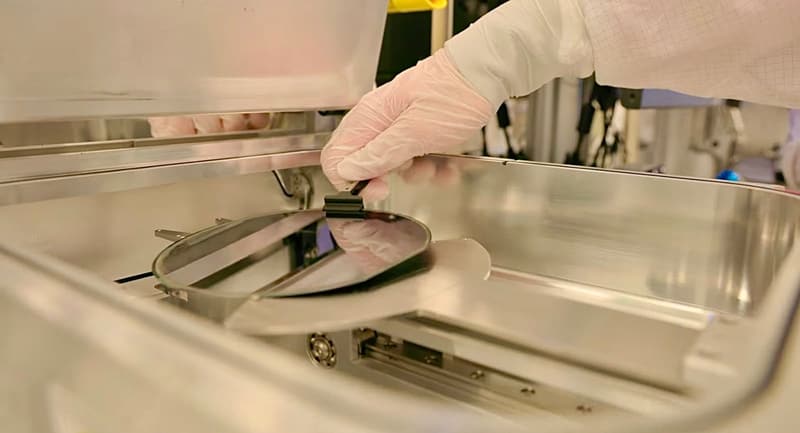
Representative photo · Photo: Pinakpani / Wikimedia Commons, CC BY-SA 4.0
India has joined a US-led initiative alongside other partners to safeguard critical technology supply chains and infrastructure.
India and its international partners have reached a consensus to bolster the security of sensitive technology supply chains. As part of a broader US-led initiative, the countries involved are working to protect the physical and digital infrastructure that supports artificial intelligence development. This collaborative effort, often referred to in policy discussions as the India Pax Silica coalition, aims to ensure that the foundational components of modern computing remain resilient against emerging threats and geopolitical pressures.
Understanding the India Pax Silica coalition
The agreement marks a significant step in international cooperation regarding the regulation and protection of high-tech manufacturing. By aligning their strategies, the participating nations seek to create a unified front against potential disruptions in the supply of semiconductors and other essential hardware. The focus remains on maintaining the integrity of the technological ecosystem that powers supercomputing and advanced artificial intelligence models.
Participating nations have agreed to protect sensitive technologies and infrastructure essential for artificial intelligence development.
This initiative comes at a time when global powers are increasingly concerned about the vulnerability of their technological supply chains. By fostering a common understanding among allies, the initiative aims to mitigate risks associated with tighter chip curbs and the global trade of advanced hardware. The commitment highlights the necessity of international coordination in an era where digital and physical security are inextricably linked.
Why it matters
This development is critical for the future of technological autonomy in South Asia and globally. For India, participating in this framework provides a structured pathway to secure its growing digital economy and protect its domestic infrastructure from external supply chain shocks.
The agreement primarily affects technology manufacturers, researchers, and government entities involved in the development of artificial intelligence. By standardizing security protocols and sharing intelligence, these nations aim to ensure that the technological foundations of the next decade remain stable and secure.
Sources
More like this

U.N. Talks Seek to Regulate Autonomous Weapons Amid Growing Concerns
Nvidia Scandal and China Market Dynamics Shape Global AI Race

Why Starshield limits are hindering Ukraine’s defense against jet-powered drones