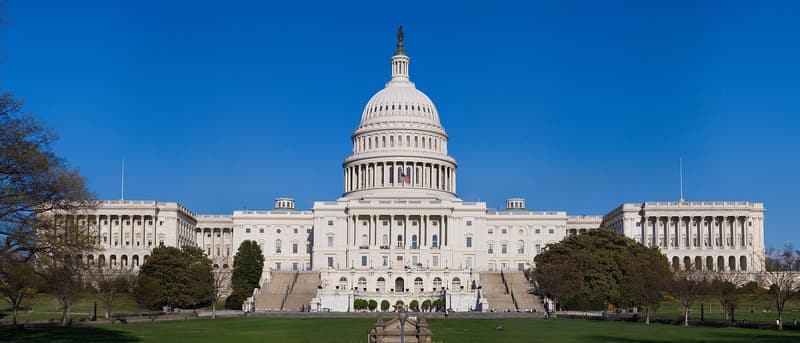
A graphic showing the flags of India and the United States with a news headline overlay.
Politics

India rejects USCIRF report, calls remarks biased and ill-informed

Representative photo ยท Photo: Pinakpani / Wikimedia Commons, CC BY-SA 4.0

By: NexVani DeskDate: 10 November 2026Views: 0

The Indian government has dismissed recent comments from the USCIRF, labeling the organization's observations on the country's religious freedom as biased and lacking in proper context.

The Indian government has officially responded to recent statements made by the United States Commission on International Religious Freedom (USCIRF), firmly rejecting the organization's assessment of the nation. Officials in New Delhi described the remarks as both biased and ill-informed, marking the latest development in the ongoing discourse regarding the india uscirf relationship. The government's rebuttal emphasizes a strong disagreement with the findings presented by the commission, suggesting that the body lacks a comprehensive understanding of the ground realities within the country.

India rejects USCIRF report

The official response from the Indian side, articulated by spokesperson Randhir Jaiswal, highlights a pattern of what the government perceives as one-sided scrutiny. By characterizing the commission's work as lacking objectivity, New Delhi has signaled its refusal to accept the validity of the report's conclusions. This move follows a long history of friction between the Indian government and the commission, as the country continues to maintain that its internal matters regarding religious freedom are managed through its own constitutional and legal frameworks.

India has officially dismissed the USCIRF report, labeling the organization's recent remarks as biased and ill-informed.

Why it matters

The rejection of the USCIRF findings underscores a growing diplomatic tension over how international bodies assess human rights and religious freedom in India. This development affects the broader narrative surrounding India's global standing and its bilateral relations with the United States.

Jaiswal also pointed to what he called the organisation's silence on attacks against places of worship in the United States and incidents of hate crimes and racial discrimination targeting Indians. This highlights the government's frustration with what it perceives as a double standard, where international oversight is applied selectively rather than universally.

Add NexVani Media as a preferred source on Google

Sources

ND

NexVani Desk

NexVani Media brings you the most important world news as it happens, with every story linked to its sources.