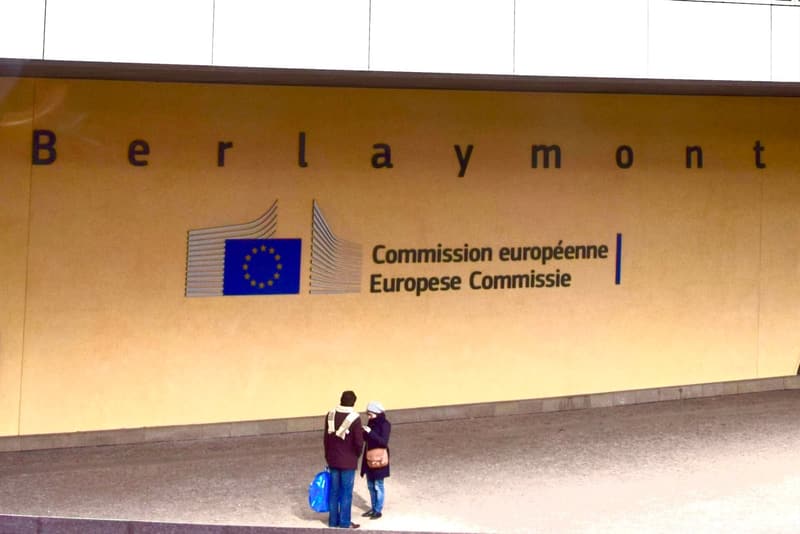
UK Ready to Discuss EU Electricity Market Access and Funding Contributions
Representative photo · Photo: Ank Kumar / Wikimedia Commons, CC BY-SA 4.0
Minister Hamish Falconer confirms Britain will discuss potential payments to EU infrastructure funds in exchange for access to the European electricity market.
As the UK government seeks to deepen its relationship with the European Union, the British minister in charge of bilateral talks, Hamish Falconer, has indicated that the UK is willing to discuss financial contributions to EU infrastructure schemes. While the UK has not formally accepted the principle of linking electricity market access to the EU’s “cohesion fund,” Falconer acknowledged that the two sides will address the issue following this month’s summit. This development comes as the UK explores its status as a Britain country in relation to its nearest neighbors, moving beyond the post-Brexit landscape.
The UK is prepared to negotiate potential financial contributions to gain access to the EU electricity market.
Five European leaders recently expressed support for the UK joining the European electricity market, provided Britain contributes to the cohesion fund, which supports economic development in the bloc’s poorer regions. UK officials remain cautious, however, regarding the prospect of British taxpayers funding infrastructure projects in central and eastern Europe. Despite these concerns, the government is prioritizing a closer partnership, with Prime Minister Andy Burnham previously suggesting the potential for an even deeper integration.
Future Defence and Youth Mobility
Beyond energy, the government is looking to mend ties through various initiatives. Falconer expressed regret that the UK was excluded from the EU’s recent €150bn defence fund due to a disagreement over entry fees, which reached €6bn. He indicated a desire for the UK to join future iterations of the scheme, such as a potential "Safe2" fund, on more reasonable terms.
Negotiators are also working toward a youth mobility agreement ahead of the 20 November summit. While there have been sticking points regarding home tuition fees for EU students at British universities, the UK is reportedly considering a compromise involving industrial program access. Furthermore, the government is moving forward with plans to rejoin the Erasmus+ student exchange scheme next year, which will be open to schools and colleges, aiming to foster greater educational and cultural movement between the UK and Europe.
Why it matters
The potential agreement on electricity market access and youth mobility represents a significant shift in UK-EU relations, aiming to reverse some of the economic and social impacts of Brexit. These negotiations affect trade, energy security, and educational opportunities for young people across Europe.
For readers in India and South Asia, these developments highlight the evolving regulatory and economic landscape of the UK. As Britain recalibrates its international partnerships, changes in its trade and mobility policies may indirectly influence future bilateral agreements and global cooperation strategies.
Sources
More like this
Former Malaysia Prime Minister Najib Razak begins house arrest after corruption conviction

Trump administration boycotts UN human rights review for second consecutive year

Somalia Ex-Chief Justice Says Security Forces Seized Top Court