Politics
India Updates Visa Rules: Tourist Visas Renamed and Split into V-1 and V-2
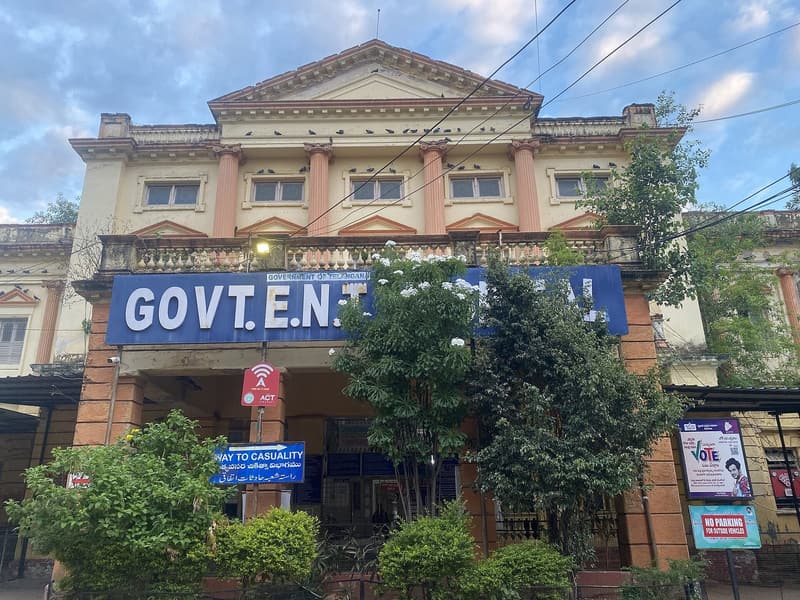
Representative photo · Photo: Mouryan / Wikimedia Commons, CC BY-SA 4.0
Representative photo · Photo: Mouryan / Wikimedia Commons, CC BY-SA 4.0
The Government of India has updated its visa framework by renaming the traditional Tourist Visa as the Visitor Visa, introducing two new distinct sub-categories.
The administration in India has officially renamed the conventional Tourist Visa to the Visitor Visa. This recent administrative update divides the newly named permit into two separate sub-categories, designated as V-1 and V-2. The procedural adjustments are introduced as part of a broader, ongoing initiative intended to streamline and simplify the national visa system for international arrivals. While travellers often focus on other aspects of the country such as exploring India's biggest city, official updates to immigration procedures remain a critical focus for international visitors planning a trip.
The restructuring of the travel permits into the V-1 and V-2 classifications marks a notable shift in how foreign travellers will interact with the consular application process. Although specific operational details regarding the exact criteria for each tier are still emerging, the overarching goal of the administration is to create a more efficient administrative experience. By categorizing visitor permits into distinct groups, the government aims to reduce administrative friction and clarify the application pathways for individuals coming from abroad.
India has renamed its Tourist Visa to the Visitor Visa, creating two new V-1 and V-2 sub-categories.
The Government of India has renamed the Tourist Visa as the Visitor Visa and divided it into two sub-categories, V-1 and V-2. The changes are part of a wider exercise to simplify the country's visa framework, directly impacting foreign travellers who intend to visit the nation for tourism or general visits by altering the structure of entry documentation.