Netanyahu’s legacy: Personality politics reshapes Israeli democracy
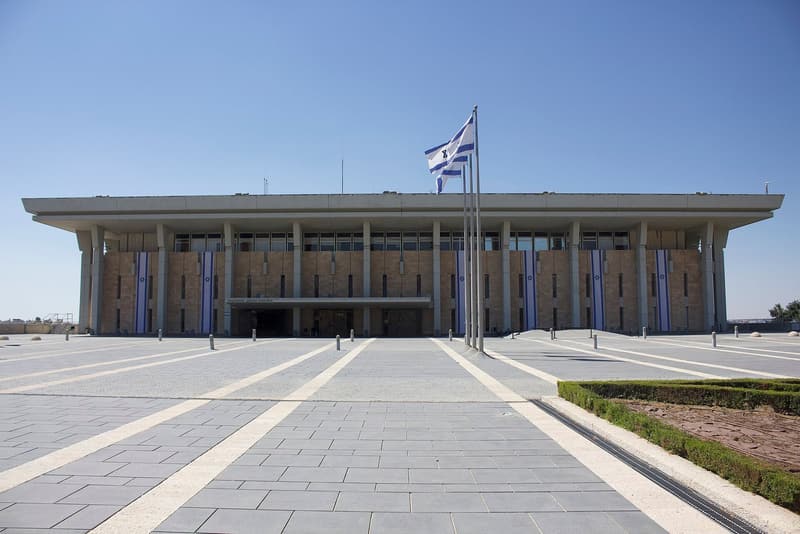
Representative photo · Photo: Clema12 / Wikimedia Commons, CC BY-SA 4.0
Prime Minister Benjamin Netanyahu’s push for a unity government at the Knesset opening was met with hostility as his long-standing influence on Israeli politics faces a critical test.
The opening session of the Israeli Knesset on Tuesday highlighted the deep divisions defining the nation's current political climate. Prime Minister Benjamin Netanyahu, facing a precarious future, used the swearing-in ceremony to call for a national unity government. His appeal, however, was met with heckles, catcalls, and walkouts from an opposition bloc that currently holds a majority of seats.
Understanding Netanyahu personality traits in a polarized Knesset
Analysts have long observed that Netanyahu personality traits have fundamentally altered the Israeli political landscape. By shifting the focus from party platforms to individual leadership, he has transformed the system into one driven by personal allegiances. During his address, the Prime Minister urged unity to combat external threats, specifically naming Iran, while simultaneously attacking Palestinian members of the parliament without providing evidence to support his claims of their opposition to the state. This rhetoric, described by experts as increasingly toxic, contributed to an atmosphere of intense acrimony.
Netanyahu’s reliance on personality-driven politics has left him fighting for his own political survival.
Former Prime Minister Naftali Bennett engaged in verbal sparring with Netanyahu’s wife and his hard-right ally, Itamar Ben-Gvir, while many opposition lawmakers exited the chamber in protest. The situation escalated further when Gadi Eisenkot, currently tasked with forming a new government, cancelled scheduled talks with the Prime Minister, labeling him unfit for office. If Eisenkot succeeds in establishing a coalition, Netanyahu faces the prospect of losing his office, which would remove the protections currently shielding him during his ongoing corruption trial. Furthermore, his departure would likely trigger an inquiry into his government’s failures surrounding the October 7, 2023, Hamas-led attack.
Experts suggest that this focus on the individual is a lasting part of the Prime Minister's legacy. Roi Zur, an election strategy specialist, noted that voters now prioritize the leader’s name over party identity. While this has helped Netanyahu maintain power for years, it has also created a political environment where personal animosity between leaders often eclipses shared policy goals. Yossi Mekelberg of Chatham House warned that such centralized, personality-centric structures allow leaders to act without constraint, noting that accusing elected officials of being terrorist sympathizers has become a normalized, albeit toxic, part of the discourse.
Why it matters
The shift toward personality-driven politics in Israel complicates the formation of stable coalition governments, as leaders must now navigate deep personal rivalries rather than just policy differences. For the Israeli public, this environment fosters a culture where political engagement is defined more by loyalty to a specific figure than by legislative outcomes, potentially leaving the country’s governance vulnerable to the personal fortunes of its leaders.
Sources
More like this
Campaigners seek to protect more Norfolk land from housing development

Calls for Leadership Change Within the Democratic Party USA
Indonesian Vice President Gibran Rakabuming Raka Resigns Amid Qualification Dispute